

QUICK REFERENCE
December 21, 2025 | Fourth Sunday of Advent (Year A)
USCCB Readings
Readings:
- First Reading: Isaiah 7:10-14
- Responsorial Psalm: Psalm 24:1-2, 3-4, 5-6.
- Second Reading: Romans 1:1-7
- Gospel: Matthew Matthew 1:18-24
One-Sentence Theme: Two fathers in the Davidic line—one who refuses God’s sign and destroys his son, one who receives God’s sign and adopts a son not his own—reveal what makes us capable of receiving Emmanuel.
INTRODUCTION TEXT, which you are welcome to read aloud before the Liturgy of the Word, is placed at the very end of this post.
THE READINGS IN CONTEXT
First Reading: Isaiah 7:10-14
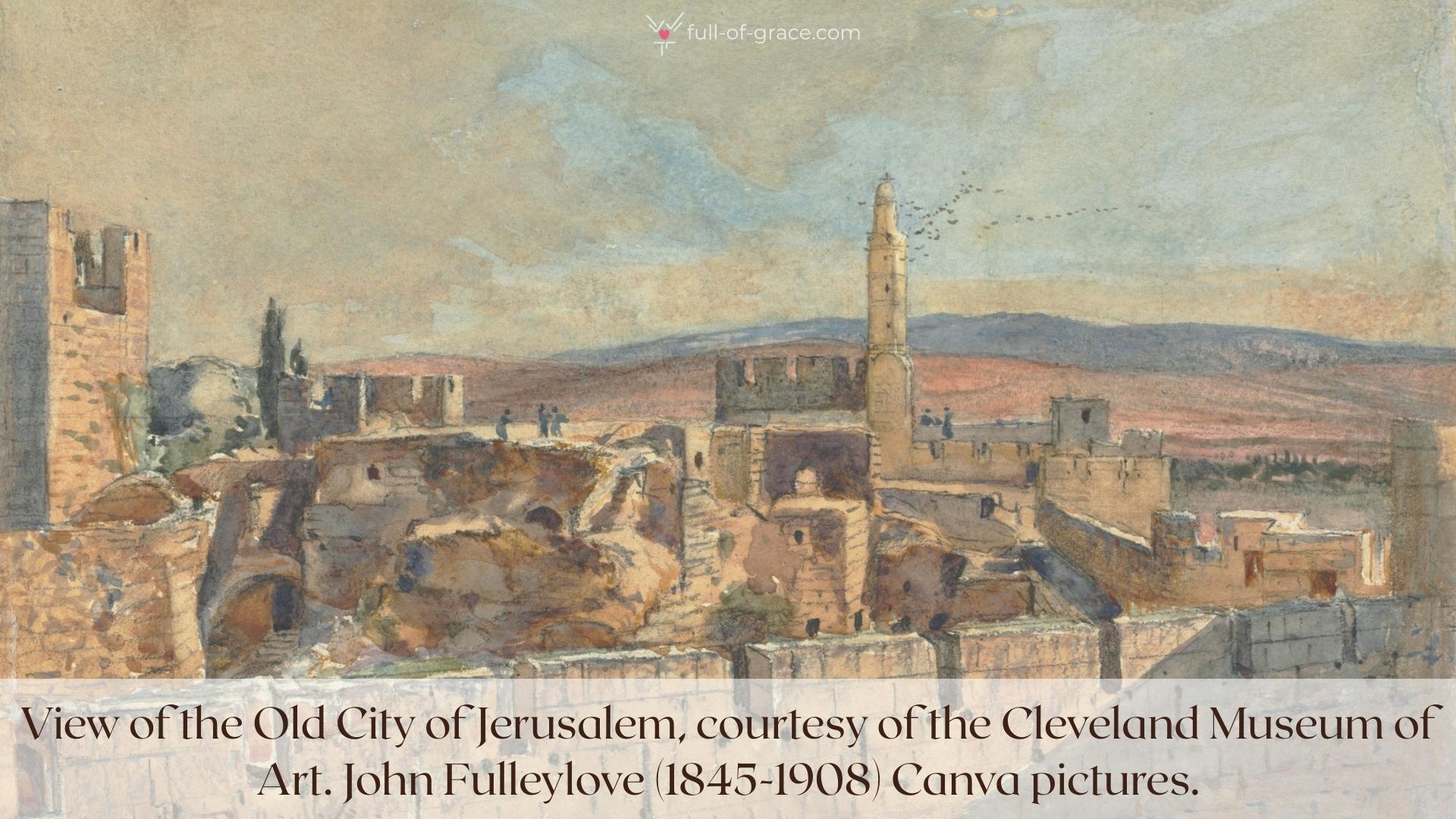
When & Where: Jerusalem, circa 735-732 BCE, during the Syro-Ephraimite War. The northern kingdom of Israel and Syria have formed an alliance and are literally besieging Jerusalem, trying to force King Ahaz of Judah into their anti-Assyrian coalition.
What’s Happening: This is the context most people miss: Ahaz has already made his choice. Before this conversation with Isaiah, Ahaz sent messengers to Tiglath-Pileser III, king of Assyria, saying “I am your servant and your son” (2 Kings 16:7). He’s pledged allegiance, paid tribute, asked for military protection. He’s chosen visible political power over invisible divine promise.
So when Isaiah says, on God’s behalf, “Ask for ANY sign—as deep as Sheol or as high as heaven”—Ahaz can’t. To ask YHWH for confirmation would expose his treaty with Assyria, his lack of trust, his political calculation. His refusal (“I will not test the LORD”) sounds pious, but it’s hostile. It’s false humility masking betrayal.
Isaiah responds to “the house of David”—not just to Ahaz, but to the entire dynasty: God will give the sign anyway. A young woman (almah) will conceive and bear a son and name him Emmanuel, “God with us.”
What Comes After: The prophecy continues with devastation: before the child knows right from wrong, both threatening kings will be gone—but then Assyria will ravage Judah far worse than the original threat. Ahaz’s “solution” will become his destruction.
And more horrifically: 2 Kings 16:3 tells us that Ahaz “made his son pass through fire”—he participated in child sacrifice, the very thing forbidden in the Torah. The father who refused the sign of a coming son destroyed his actual biological son.
Key Insight: Ahaz represents the political realm, the realm of treaties and visible alliances and control. He refuses receptivity. He cannot receive a gift he didn’t orchestrate.
Responsorial Psalm: Psalm 24:1-2, 3-4, 5-6
When & Where: A temple liturgy psalm, possibly used during processional entry to the Temple in Jerusalem.
What’s Happening: The psalm asks the question that frames our entire Sunday: “Who can ascend the mountain of the LORD? Who may stand in his holy place?”
The answer: “One whose hands are sinless, whose heart is clean, who desires not what is vain.”
Key Insight: This isn’t about moral perfection—it’s about where we place our trust. Ahaz “desired what is vain” (political alliances, military might, visible control). The psalm names what makes someone capable of standing before God: clean hands, pure heart, no false allegiances.
The refrain—”Let the Lord enter; he is king of glory”—names the posture Joseph will embody: the capacity to let the Lord enter, even when it shatters our plans.
Second Reading: Romans 1:1-7
When & Where: Paul writing to the Christian community in Rome, circa 57 CE, introducing himself and his gospel.
What’s Happening: Paul opens with a cascade of belonging language: “called to be an apostle… the gospel about his Son, descended from David according to the flesh… you also are called to belong to Jesus Christ… called to be holy.”
Key Insight: Notice the double genealogy Paul names: Jesus is “descended from David according to the flesh” (the messy human lineage that includes both Ahaz and Joseph), and “established as Son of God in power according to the Spirit of holiness.”
The incarnation happens IN THE FLESH—in actual human lineage with all its brokenness. And Paul’s point is that we are called to BELONG to this. Not because we’re worthy, not because our families are perfect, but because God calls us into a family way bigger than what we can see or control.
“Grace to you and peace from God our Father”—this is the gift. Belonging. Being called. Being included despite everything.
Gospel: Matthew 1:18-24
When & Where: Matthew writing to a predominantly Jewish-Christian community, circa 80-90 CE, beginning his account of Jesus’ origins.
What’s Happening: Let’s be honest about what Matthew tells us: Joseph discovers Mary is pregnant. He decides to divorce her quietly. The engagement is over. Joseph is packing Mary’s bags. The family is shattered before it begins.
This isn’t a detail to skip past. This is the moment. Joseph is “righteous” (dikaios)—which means he’s serious about Torah, about honor, about doing things right. And by any reasonable measure, divorcing Mary IS the right thing. She’s pregnant with a child that isn’t his. Continuing would mean scandal, shame, questions about his own honor.
Then the dream.
Matthew is the only gospel that records Joseph’s dreams—four of them total (this one, the flight to Egypt, the return from Egypt, and settling in Nazareth instead of Judea). Matthew is deliberately echoing Joseph the patriarch from Genesis—the other great dreamer, the one who also goes to Egypt, who also saves his family.
But notice the mode: DREAM. Not a theological argument. Not a rational proof. Not a vision while awake and in control. A message that enters through the body’s sleeping vulnerability, that bypasses conscious defenses, that speaks in the oneiric language Joseph apparently knows how to hear.
The angel addresses him: “Joseph, son of David“—linking him explicitly to the Davidic promise. Then: “Do not be afraid to take Mary your wife into your home.”
The embodied dimension: Joseph has to TAKE her. Has to physically bring her into his house, completing the second stage of Jewish marriage. Has to publicly claim this child. Has to name him Jesus—an act that makes Joseph the legal father, bringing Jesus into the Davidic line.
“When Joseph awoke, he did as the angel of the Lord had commanded him.”
Key Insight: Joseph receives what he didn’t create. He lets go of control and adopts his non-biological son. He trusts the dream more than social convention. He becomes the father not by biological claim but by obedient receptivity.

WHERE ARE WE?
In the biblical narrative: We’re standing at the hinge between the Old and New Covenants. Isaiah’s prophecy, given 700+ years earlier to a refusing king, is about to be fulfilled through a receiving carpenter.
In salvation history: The Davidic line—which includes both destroyers (Ahaz) and receivers (Joseph), both refusers and believers—is about to bear its ultimate fruit. The messiness matters. The brokenness is part of the story.
In the liturgical year: Final Sunday before Christmas. We’re days away. The threshold is here. The question presses: what kind of people can receive Emmanuel?
THE COMMON THREAD
Two fathers. Both in the Davidic line. Both offered divine signs about sons. Both at impossible thresholds.
Ahaz: Refuses the sign. Trusts political alliances. Sacrifices his biological son. Represents control, calculation, visible power.
Joseph: Receives the sign. Trusts the dream. Adopts his non-biological son. Represents receptivity, surrender, invisible faith.
The devastating irony: Ahaz is in Jesus’ genealogy (Matthew 1:9). The refuser, the child-sacrificer, the one who made treaties with empires—he’s part of the family tree. Jesus is born into THIS. Into our full human reality—the refusals AND the receptions, the political calculations AND the oneiric obedience.
And here’s the hope: God works through the whole broken lineage. Emmanuel comes anyway. Not despite the mess, but somehow THROUGH it. The sign is given regardless of Ahaz’s cooperation. The incarnation happens in the flesh—actual human flesh, descended from actual humans who made actual terrible choices.
Paul names it: “descended from David according to the flesh… you also are called to belong to Jesus Christ.“
BELONGING. That’s the word. We’re called to belong to a family that includes both Ahaz and Joseph, both the refusers and the receivers. We’re called to belong despite our brokenness, or perhaps because of it—because it’s precisely broken people who need Emmanuel, “God with us.”
THE HUMAN REALITY
The body is the site of incarnation.
Feel it: Ahaz’s heart “trembling like trees in wind” when he hears about the siege. The visceral terror of being surrounded, under attack, facing destruction.
Joseph’s gut-dropping moment discovering Mary’s pregnancy. The social death. The shame. The impossibility.
Mary’s pregnant body—undeniable, visible, scandalous reality. There’s no hiding this. No controlling it.
Joseph’s dreaming body—vulnerable, asleep, receptive in a way he could never be while awake and defended.
The incarnation doesn’t happen in the abstract. It happens in actual bodies, actual families, actual political crises, actual broken engagements. God enters through the flesh—messy, mortal, complicated flesh.
And Joseph? Joseph is not replaceable. This matters. He’s not just a convenient placeholder for Mary’s pregnancy. He’s the one who brings Jesus into the Davidic line legally. He’s the one whose obedience makes the genealogy work. He’s the one whose capacity to receive a son not his own demonstrates what kind of fatherhood can hold Emmanuel.
The contrast is stark:
- Ahaz destroys what he created (his biological son)
- Joseph receives what he didn’t create (his adopted son)
One clings to biological sovereignty. One surrenders to divine sovereignty.
One trusts political treaties. One trusts oneiric messages.
One represents control—the desperate human attempt to fix everything ourselves, to make alliances, to save ourselves through visible means.
One represents receptivity—the capacity to let God break through our plans, to trust the vague message, to father a child who defies all conventional categories.
BRIEF REFLECTION
Where are you Ahaz? Where are you refusing God’s sign because you’ve already made your treaty, already decided how salvation will come, already determined what you can and cannot receive?
Where are you Joseph? Where are you being asked to receive something you didn’t create, to trust a dream that makes no rational sense, to father something that defies your categories of control?
The hope of this Sunday is NOT that we have to be perfect. Look at the genealogy—Ahaz is in there. The refusers, the child-sacrificers, the treaty-makers are all part of the family.
The hope is that God works through broken lineages. Emmanuel comes anyway. The sign is given regardless. And we are called—CALLED—to belong to this impossibly messy, grace-filled, flesh-and-blood family.
Not because we’ve earned it. Not because we’ve fixed everything. But because God keeps showing up in dreams to people who are trying to pack their stuff and leave, saying: Don’t be afraid. Take her. Name him. I am with you.
INTRODUCTION TEXT (Optional – for reading before Liturgy of the Word)
As we gather on this final Sunday before Christmas, we hear two stories of fathers in the line of David. King Ahaz, under siege and terrified, refuses God’s offer of a sign because he’s already made political alliances to save himself. Joseph, discovering Mary’s pregnancy and planning to end their engagement, receives a dream that changes everything. Both men face impossible situations. Both are offered divine signs about sons. One refuses and sacrifices his biological child. One receives and adopts a son not his own. Their stories ask us: Where do we cling to control, and where do we open to receiving what we cannot orchestrate? The good news is this: God works through the whole broken lineage—the refusers and the receivers both. Emmanuel comes anyway. We are called to belong.
Additional resources
More about surrender in the Biblical context.
Why is there so little about nativity scenes this Advent?
Children sacrifice and Abraham’s beloved son.













3 thoughts on “Two Stories of Two Fathers 4 Advent Year A – Background”