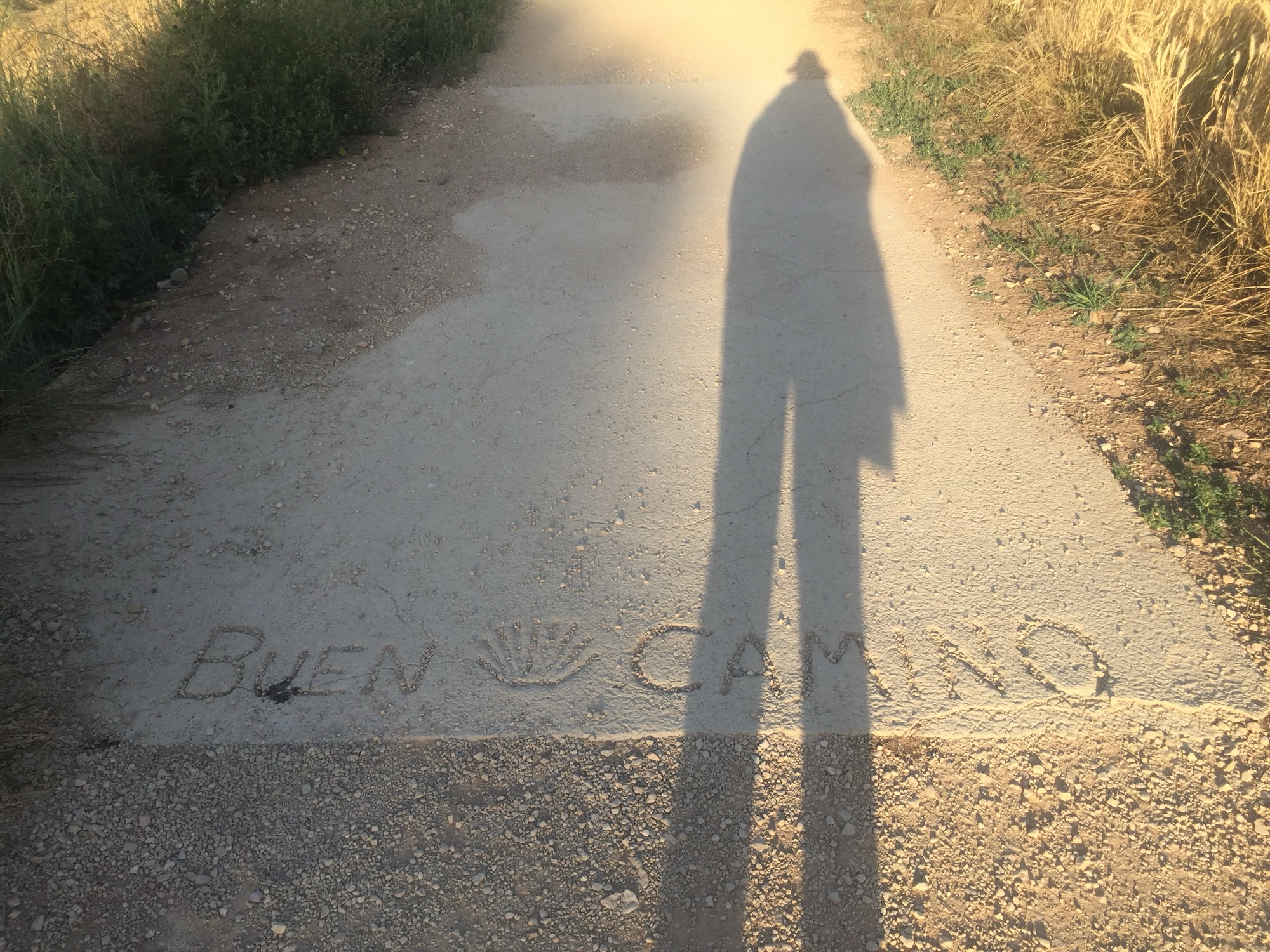
Discovering Our True Journey
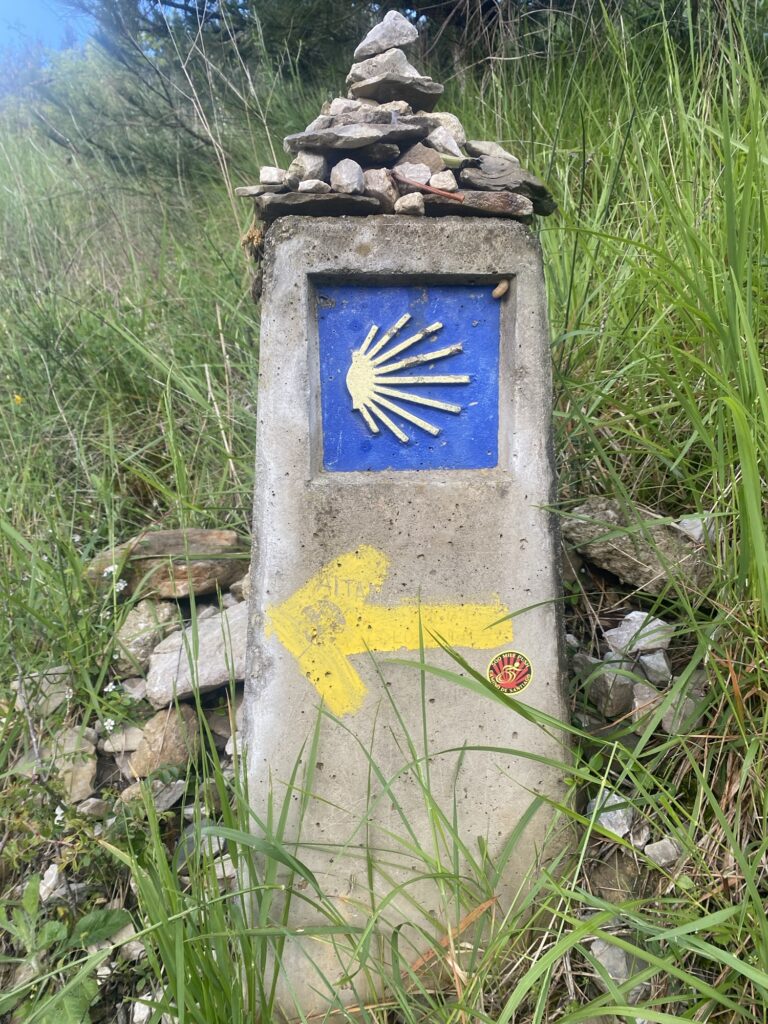
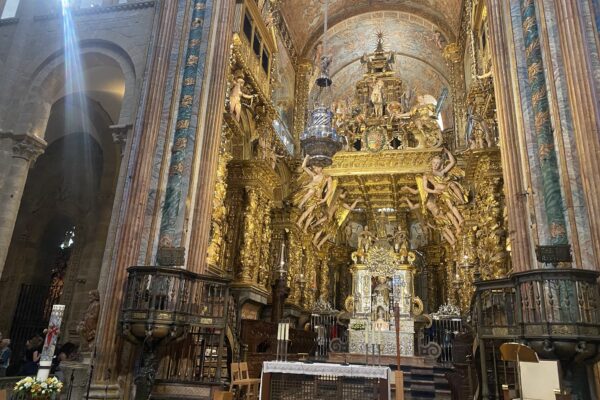
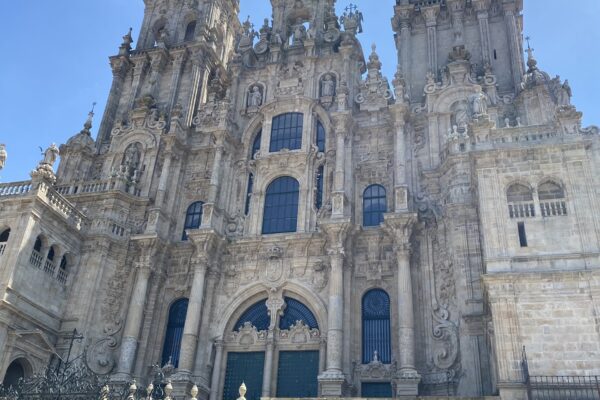
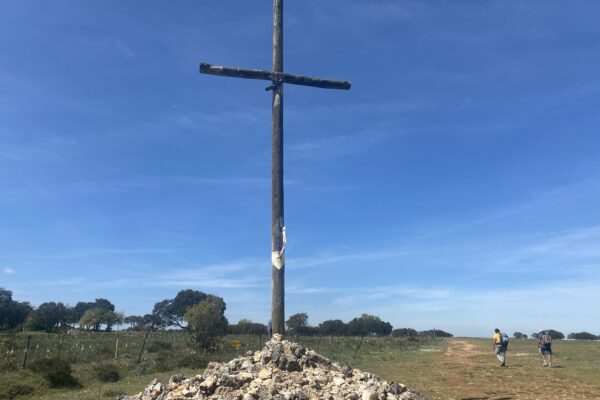
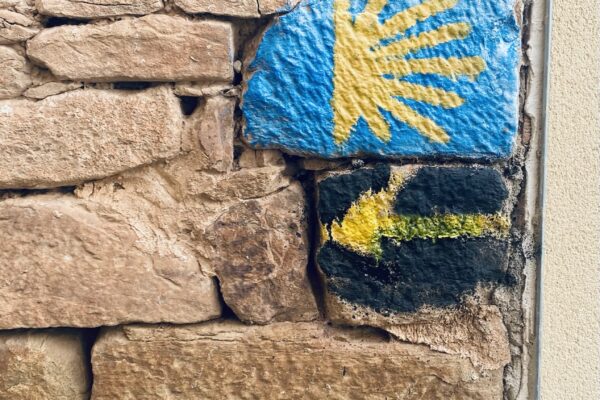
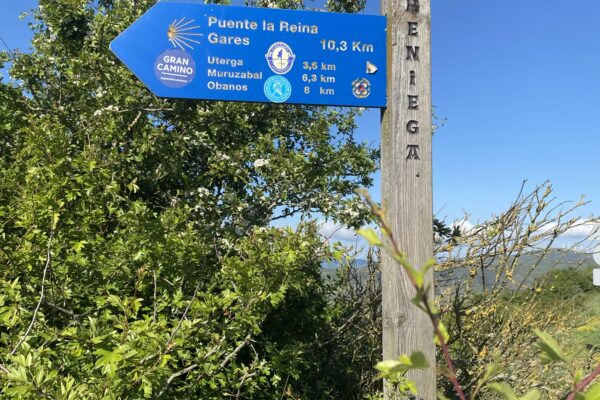
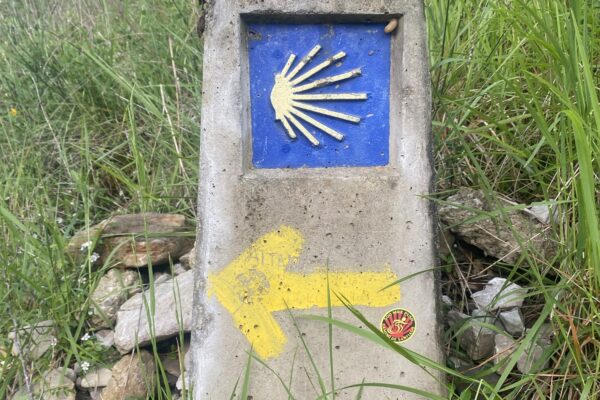
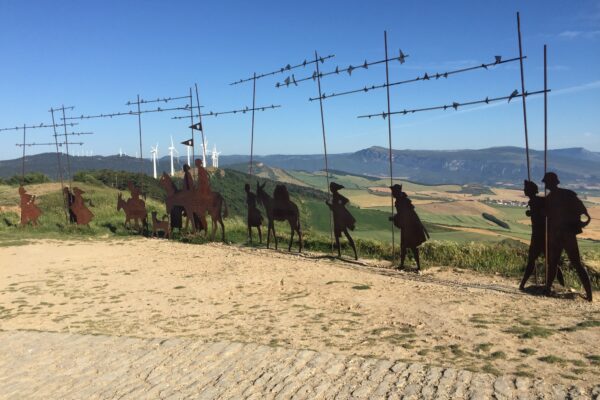
In walking the Camino de Santiago, I’ve been reflecting on what it truly means to be a pilgrim. Along the ancient stones of The Way, where countless feet have worn smooth paths through centuries, it’s impossible not to be drawn into this mystery. As the golden sun strip away the morning fog and church bells mark the hours, deeper insights emerge about not just this physical journey, but the pilgrim nature of all Christian life.
Marked by Wandering: Who Is a Pilgrim?
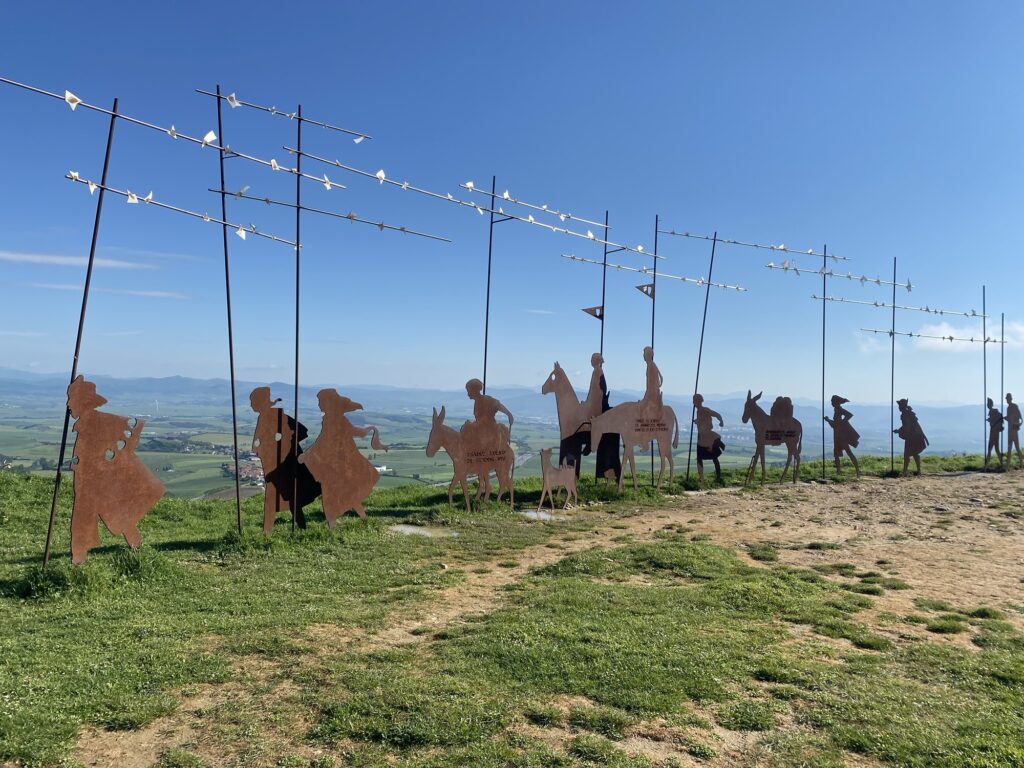
The word “pilgrim” comes from “peregrinus” – a stranger or foreigner. A pilgrim is one who recognizes they are not fully at home in this world. We are wanderers, not settlers; travelers, not owners. To be a pilgrim is to recognize the beautiful ache of not quite belonging to the landscape you traverse, even as you love it deeply.

This sets the pilgrim apart from the hiker, who walks different paths with different heart. Where the hiker conquers terrain, the pilgrim is humbled by it. Where the hiker seeks achievement, the pilgrim seeks transformation. Where the hiker plans and provides, the pilgrim surrenders to providence at every turn. While hiking focuses on the physical experience and personal accomplishment, pilgrimage encompasses transformation, ritual, and connection to something beyond oneself. A pilgrim approaches difficulties as spiritual opportunities rather than obstacles, moves at a contemplative pace, and views fellow travelers as companions in a sacred journey rather than mere enthusiasts of the outdoors.
Surrendered to Providence
The pilgrim way is vulnerability embraced. With each day’s walking comes radical dependency—on weather’s mercy, on strangers’ kindness, on body’s faithfulness, on spirit’s guidance.
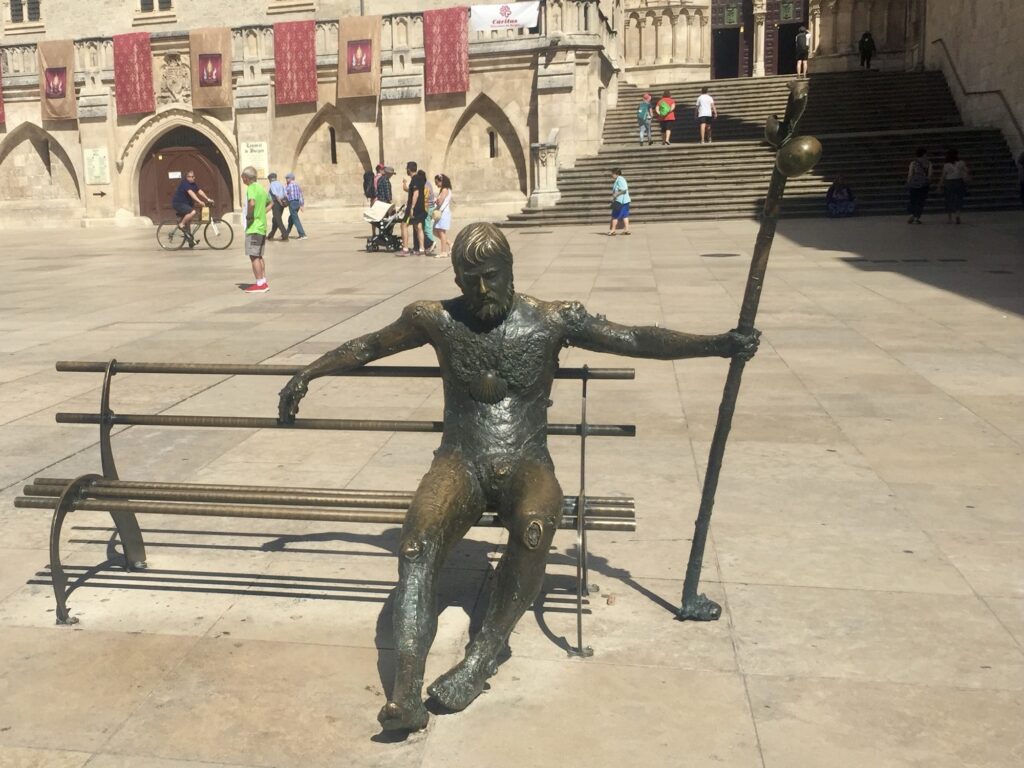
When sudden rain drives you beneath ancient church eaves, when unexpected sun beats mercilessly against your neck, when blisters form and strength fails—the pilgrim learns what the settled soul often forgets: we live always at the intersection of fragility and grace.

Water appears just as the last drop is drained. A tree offers shade precisely when you can walk no further in the heat. A kind hospitalero prepares a simple meal exactly when hunger hollows your strength. These are not coincidences but revelations—small epiphanies of the providence that always holds us, though we notice only when need strips away illusion.
The Church Awakening
The Church has recognized herself in the dusty, hopeful pilgrim. Vatican II beautifully articulated the identity of the Church as “pilgrimaging” (Ecclesia peregrinans). This isn’t merely poetic language but a profound recognition of our fundamental condition. We are, as Scripture tells us, “foreigners and nomads on the earth” (Hebrews 11:13).

This pilgrim identity helps us understand our relationship with creation and each other. Though given stewardship over the earth, we remain travelers rather than residents. Our true citizenship is in heaven, even as we fully engage with our earthly responsibilities.
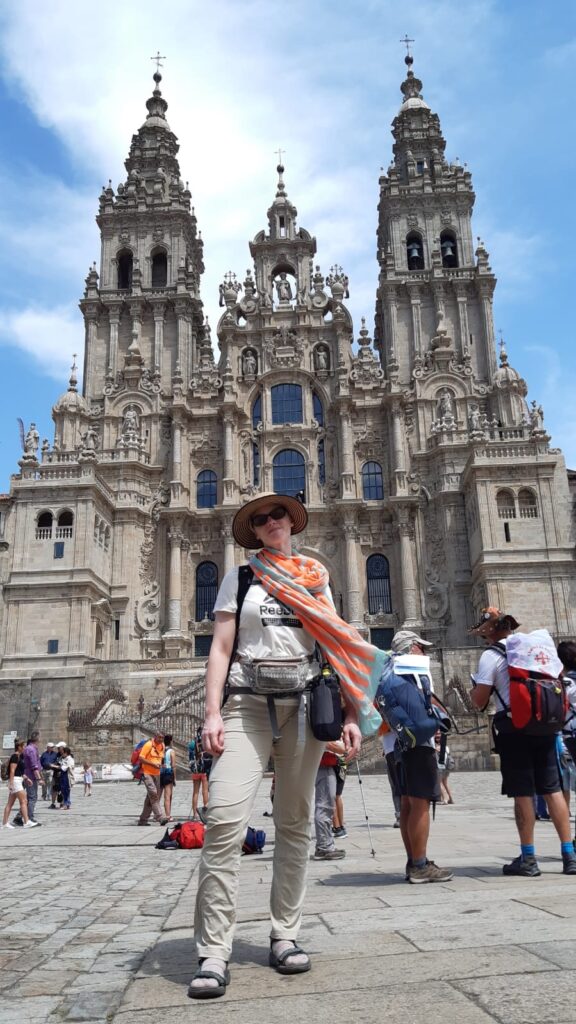
The true pilgrim-church walks through history with the same vulnerability and hope as the Camino pilgrim. Not established in worldly security, but moving always toward a horizon both seen and unseen. Not claiming territories as permanent possession, but traveling through them with reverence and care. Not building monuments to human achievement, but temporary shelters for fellow travelers.
The Sacred Dance of Giving and Receiving
Perhaps most beautiful is the co-creation between those who walk and those who welcome. The hospitaleros standing in thresholds of simple albergues, the farmers who leave water at their gates, the village priests who bless passing pilgrims—these are not mere service providers but essential participants in ancient sacred choreography.

The pilgrim learns to receive with open hands what cannot be earned or purchased—kindness, shelter, encouragement, blessing. The host discovers the holy privilege of serving Christ disguised in dusty, limping, sunburned forms.
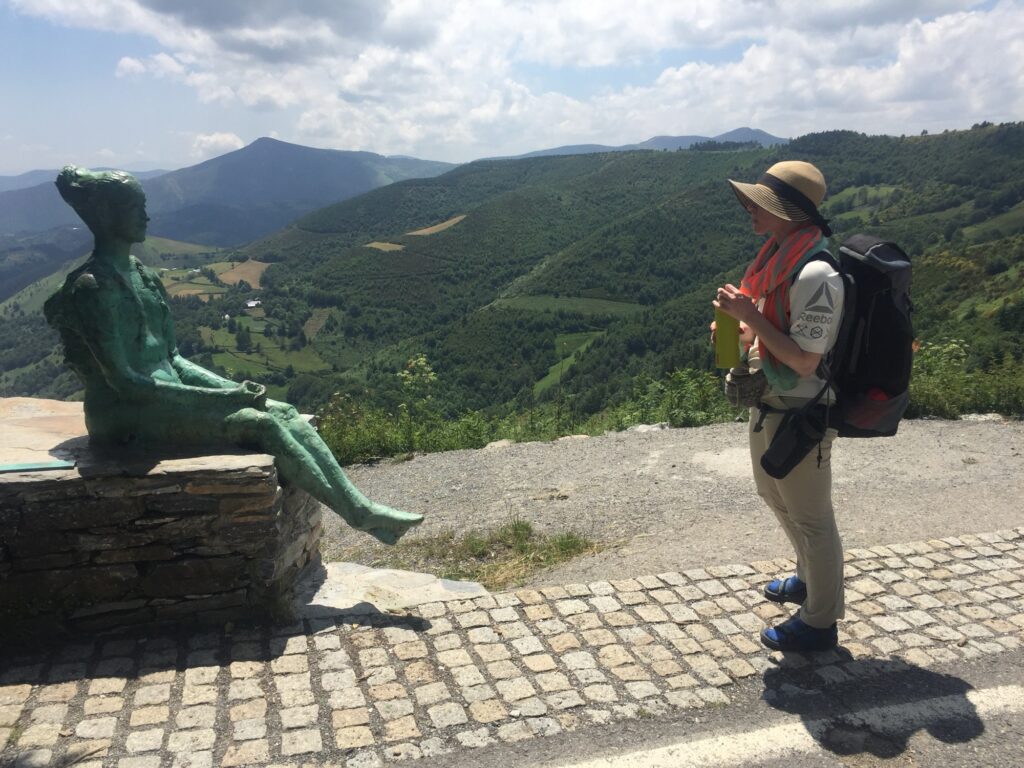
Together they enact something divine: the endless rhythm of emptying and filling, of gifting and receiving, that flows through all sacred relationship.
Carrying Pilgrimage Home
How might we carry this pilgrim identity into ordinary days? Perhaps by:
- Holding possessions lightly, recognizing them as tools for the journey rather than ends in themselves
- Embracing uncertainty and change as invitations to deeper trust
- Practicing hospitality, remembering that in welcoming strangers we may entertain angels
- Finding humor and joy in the journey, as St. James perhaps did with Jesus
- Moving away from security sometimes to rediscover our dependence on providence
- Remembering that each person we encounter is a fellow traveler, regardless of their path

The Pilgrim Paradox
The paradox of pilgrimage is that by acknowledging ourselves as strangers here, we discover our true identity as children of God. The more we step away from what’s familiar and secure, the more space we create to recognize divine grace. By acknowledging our homelessness on earth, we find our eternal home in God. By surrendering to providence, we discover we have always been carried.

In a world that prizes settlement, achievement, and self-sufficiency, embracing our pilgrim nature is countercultural. Yet in doing so, we may find ourselves most authentically aligned with our deepest purpose – journeying together toward our true home.
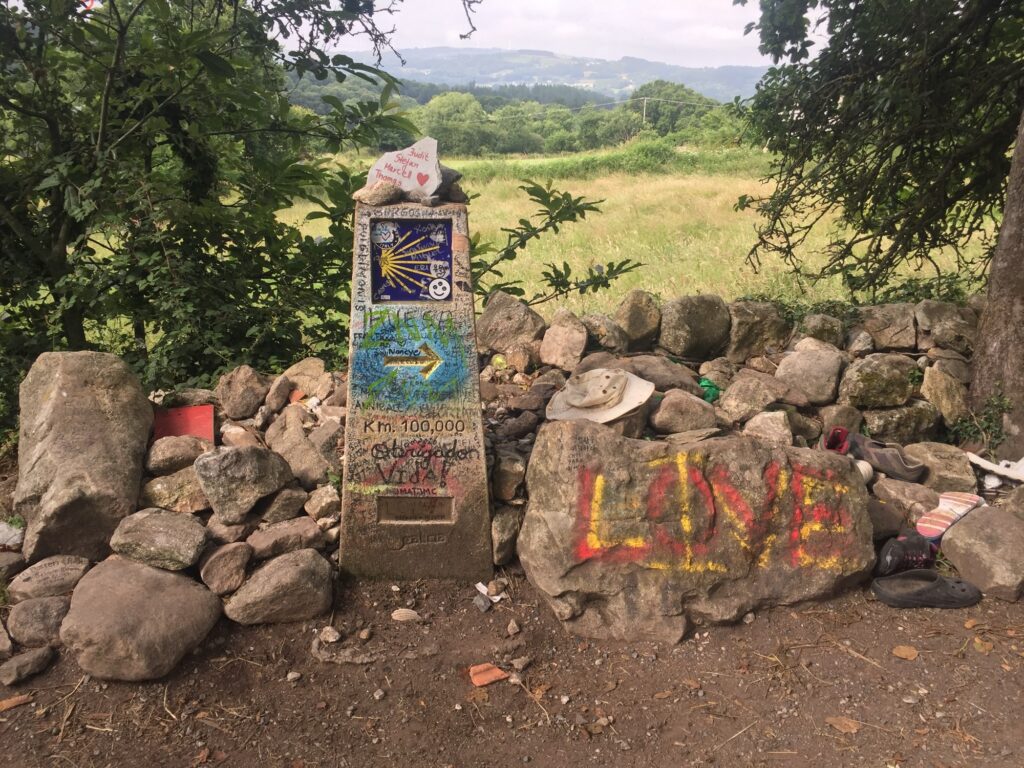
May we all discover, whether on ancient caminos or ordinary streets, the pilgrim truth—that we are wanderers made for wonder, nomads journeying homeward, strangers becoming beloved.
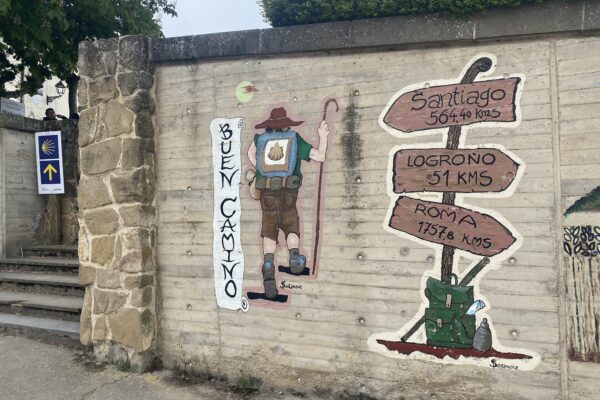
Buen Camino to us all, whether we walk physical pilgrim paths or simply live each day conscious of the greater journey.