
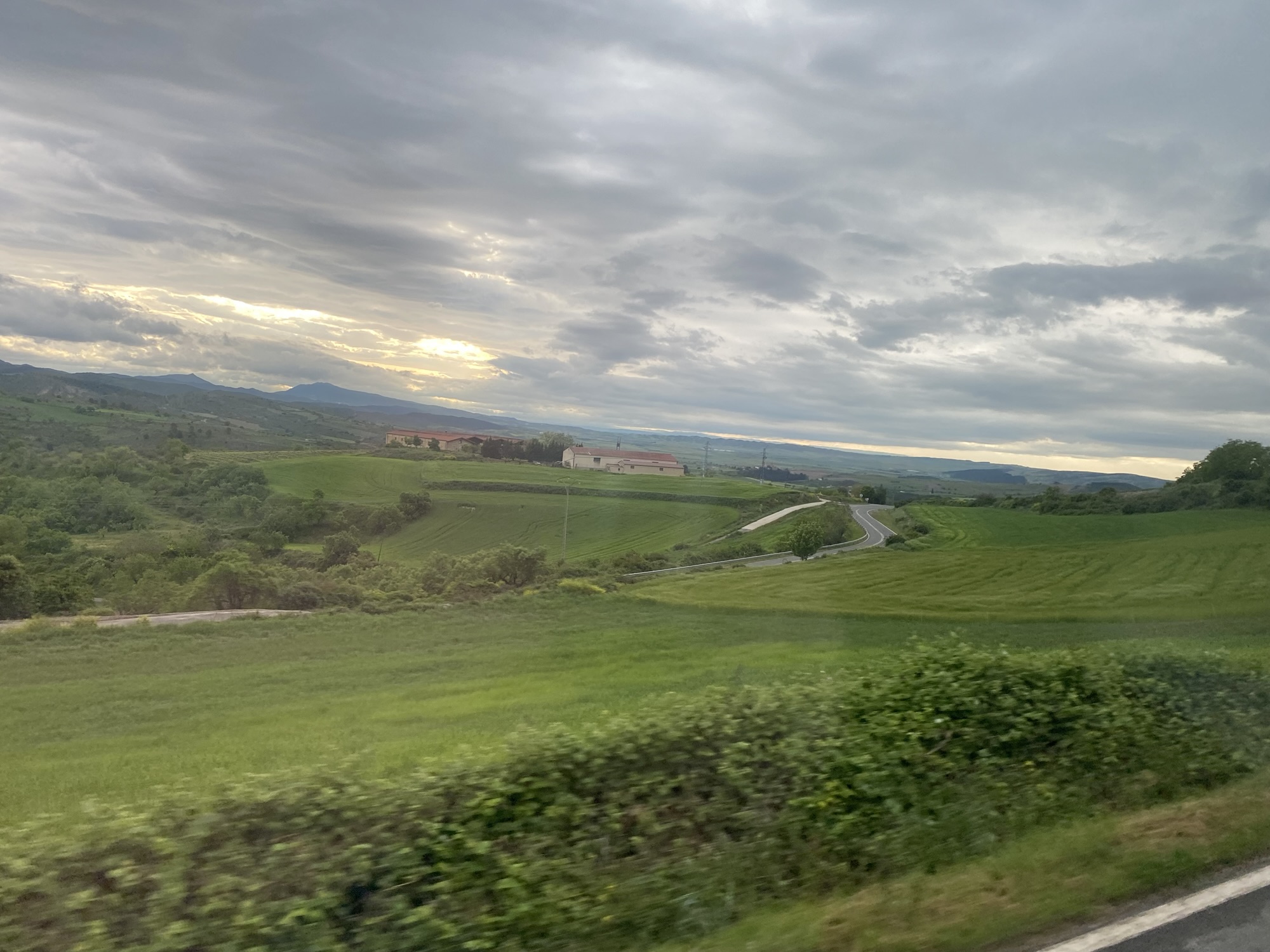
Los Arcos to Logroño – A day of listening to my body’s wisdom
Today marked my seventh day on the Camino de Santiago, a day unlike any other on this pilgrimage. Not for its beauty or challenge, but for the humbling lesson it offered about honoring my limits.
The Storm Before the Storm
Yesterday in Los Arcos, as thunder cracked overhead and electricity flickered on and off, the once-warm albergue quickly transformed into a cold, damp shelter. I had treated myself to a massage—a decision that seemed innocent enough. As a masseuse myself, I noticed the technique was flawed (moving away from the heart rather than towards it, and against the direction of the muscle’s insertion), but initially felt refreshed.

As the evening grew colder and the storm intensified, my body began sending warnings. What started as a scratchy throat—perhaps from the incense and essential oils burning in the albergue—evolved into something more concerning by morning.
The Humbling
Dawn arrived with clarity: I was unwell. The information board showed a bus to Logroño, my intended destination, but I stubbornly chose to walk, hoping movement might heal what rest had not. My body had other plans.
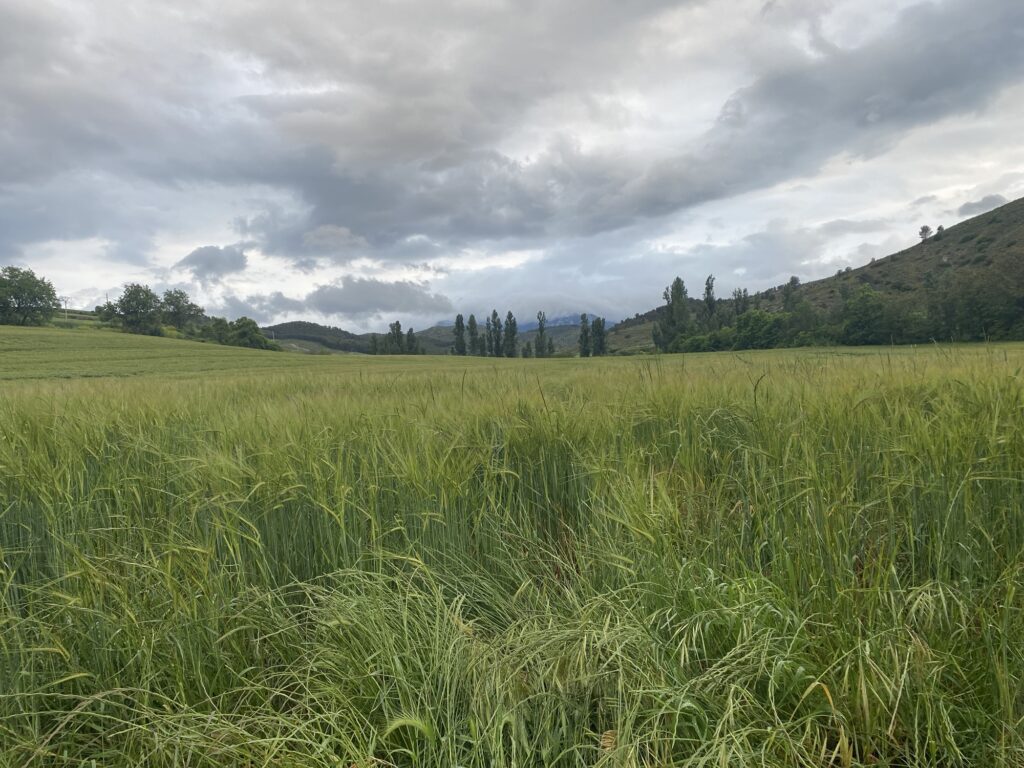
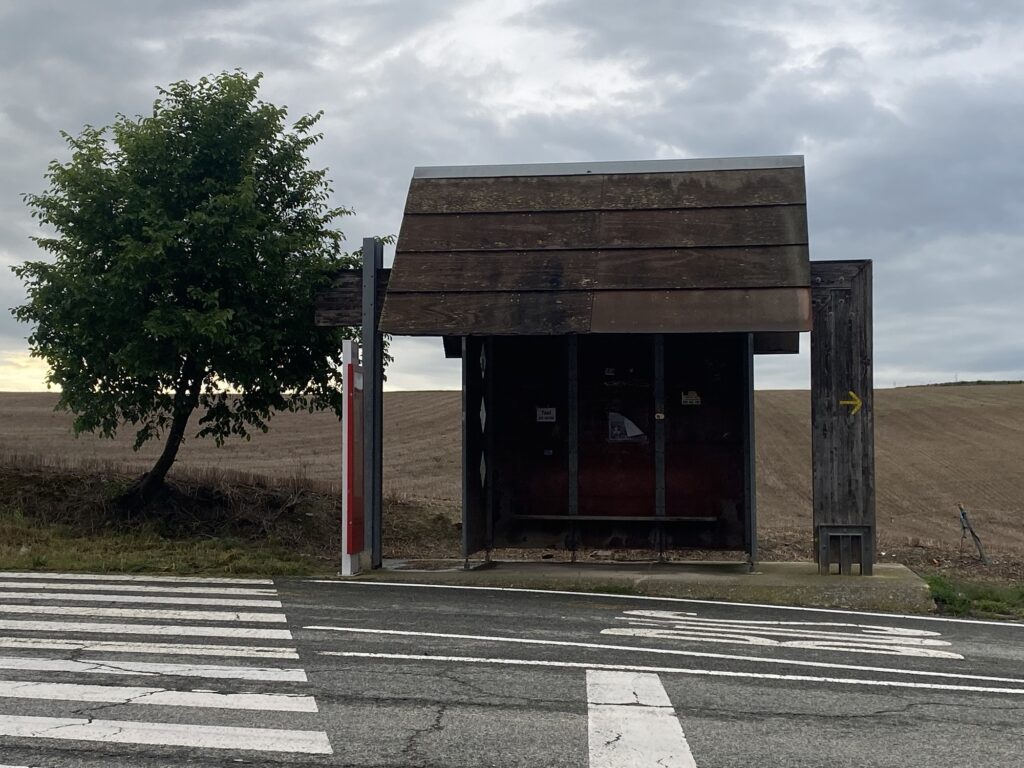
I barely made it to Sansol (6,6K). There, with broken Italian and tears streaming down my face, I sought help from locals. “Mi scusi, io bisogno di aiuto.” A kind English-speaking resident directed me to the bus stop—unmarked, merely a windowsill where I waited, watching other pilgrims pass. Some continued their journey; others paused, concerned by my visible distress.
A compassionate Spanish pilgrim shared her phone number, offering translation assistance should I need medical help. These moments of connection amidst vulnerability are the camino’s unexpected gifts.
The contrast was striking: an eight-hour walk compressed into a thirty-minute bus ride. At Logroño’s station, depleted of strength, I struggled to retrieve my backpack from the storage compartment, hitting my head in the process. The indignity continued with a closed bathroom facility at the large station—just a single, filthy portable toilet without working water for handwashing.

In a small café at the station, tears continued falling—not from physical pain alone, but from a sense of helplessness rarely experienced in daily life. Mindful of potentially spreading illness, I booked a hotel rather than an albergue. Though the hotel was only 1.2 kilometers away—normally a brief 17-minute walk—my body demanded further surrender. A taxi carried me this final, short distance.
The Restoration
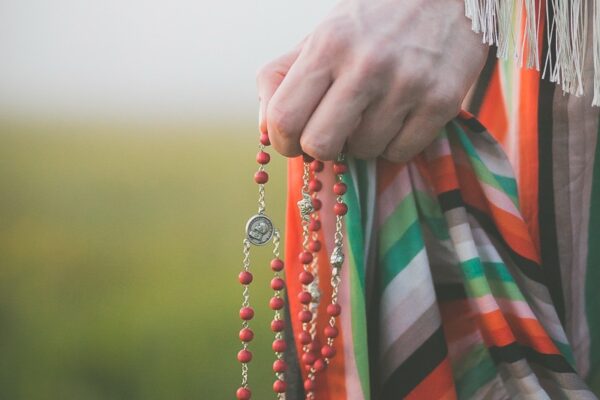
At the hotel, grace appeared in small mercies: early check-in without additional fees, a warm room, soothing tea, and the luxury of uninterrupted rest. A one-hour nap with a racing heart and warm pillow suggested fever, but even this brief rest began the healing process. Later, I dedicated time to reflections on the Heart of Jesus for my Franciscan parish in Poland—perhaps my own heart finding restoration through this contemplative work.

By the afternoon, hunger returned—a promising sign. Though venturing into the cool air caused some relapse in symptoms, progress was evident. Tomorrow will not be a walking day, but a day of continued healing, with plans to join an albergue by noon if recovery permits. If not, medical attention will be the next step on this journey.
As messages arrived from Paula, the kind Spanish pilgrim who had offered help, I found myself wondering: Am I the kind of person who would stop for a distressed pilgrim waiting for a bus? Do I truly see the struggles around me? Do I slow down enough to notice and support those in need? The camino mirrors back these questions, inviting me to see not just the path ahead but those walking alongside me.

Note to Self: On Knowing My Limits
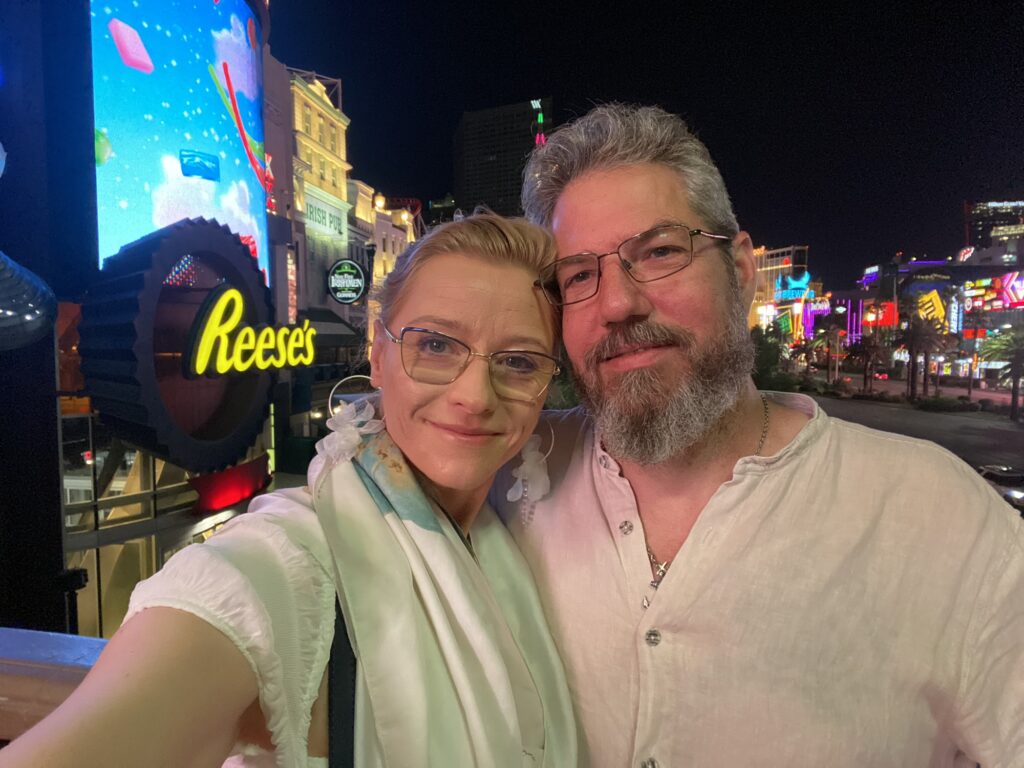
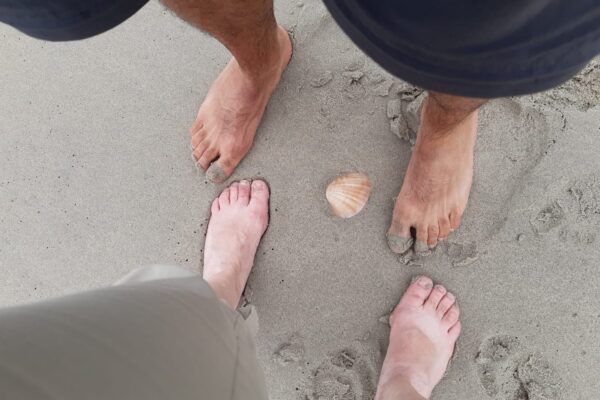
This camino teaches me about limits—not just physical boundaries, but mental and spiritual ones as well. I walk not only for myself now but as half of a union. Ken, my husband, moves through his own challenges—night shifts clearing WWII explosives from the seabed—while I navigate this ancient path. Our communication limited to brief windows when our waking hours align, yet our connection remains unbroken.
This journey prepares us for our upcoming sacramental marriage in September, though we are already legally joined. Each step on the camino becomes practice for our vows, for walking together “for better or worse,” through health and illness, through presence and absence.
I must remember that I no longer belong just to myself. My tendency to push beyond my limits must be tempered by the responsibility I now carry—to maintain my health and strength not just for my own journey, but for our shared life. To honor our union means honoring my body’s wisdom when it calls for rest. If I deplete myself completely on this path, what will I have to offer when we reunite? Each act of self-care becomes an act of love for both of us.
As we vowed in Las Vegas:
“Now you will feel no rain, for each of you will be shelter to the other. Now you will feel no cold, for each of you will be warmth to the other. Now there is no more loneliness, for each of you will be companion to the other. Now you are two bodies, yet there is only one life set before you. Go therefore into your dwelling place, to enter into the days of your togetherness. That your days may be good and beautiful and long upon this earth.”

Today, though separated by distance, Ken was my shelter from rain, my warmth against cold. In knowing and honoring my limits, I honor our connection too—preserving my strength not just for the journey ahead, but for our shared life waiting beyond this path.
The camino continues tomorrow, whether by seeking help or by rest. Both are equally sacred ways forward.

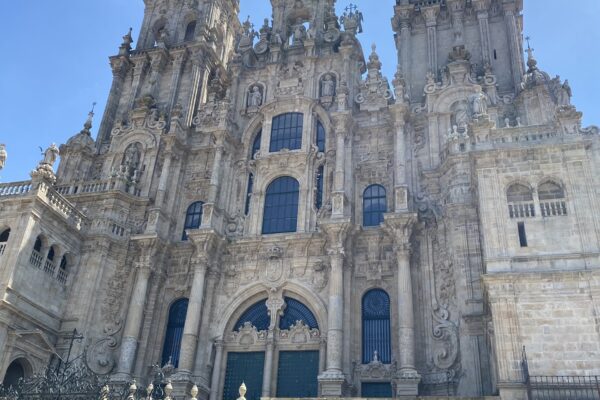

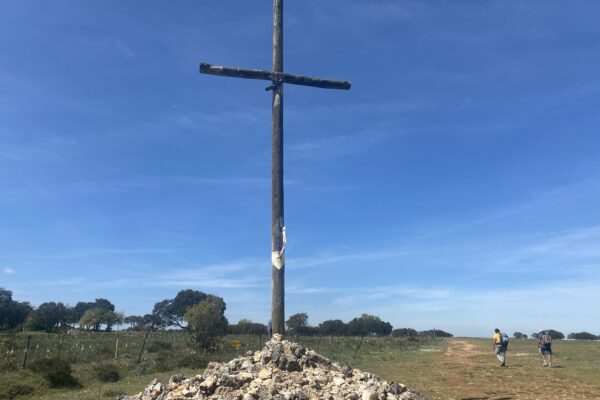
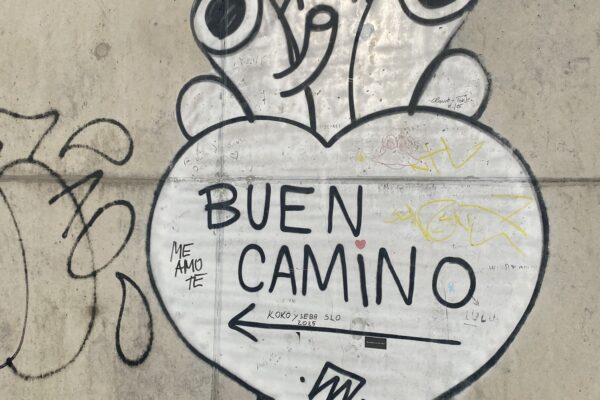
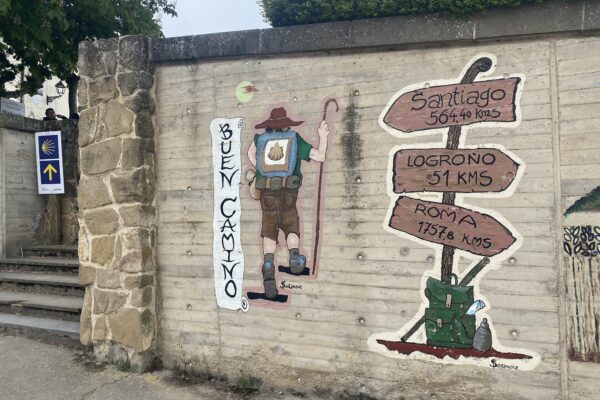

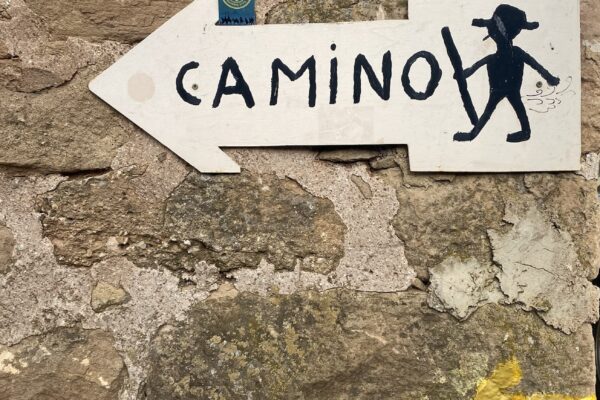
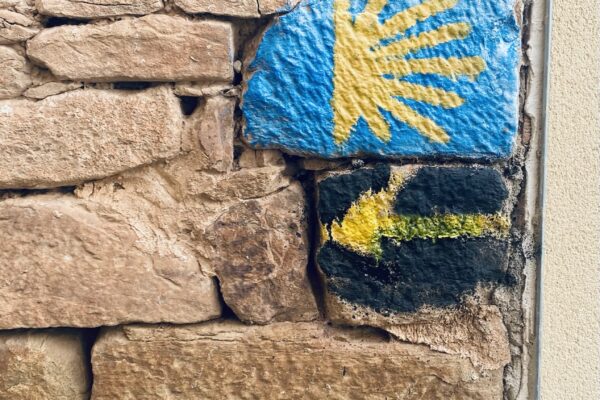
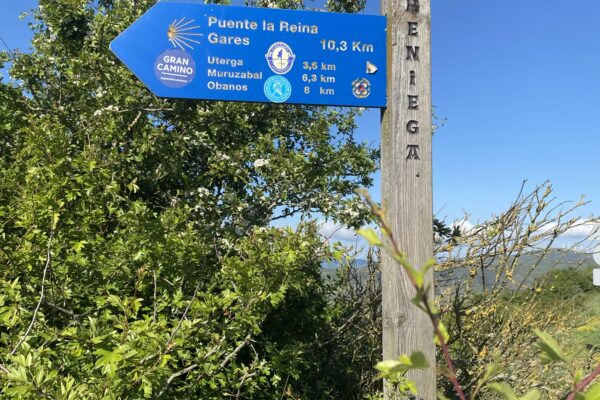
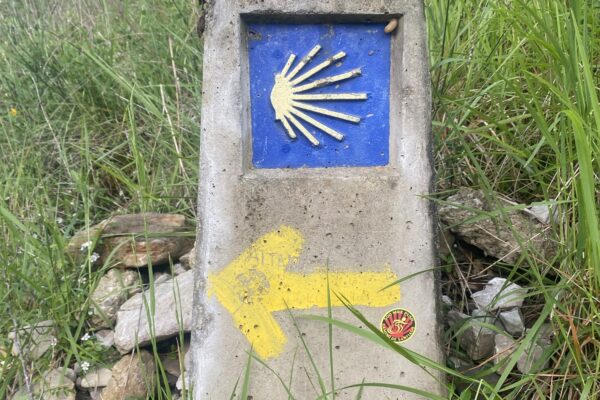
Ładne zdjęcia,tak się powoli tworzy historia Twojego Camino 2025r
I to właśnie jest podbudowujące spostrzeżenie. Dziękuję. 🫶🏻