What is the difference between a busy car park and your heart? The greatest lie of the spiritual life is the belief in the empty slot – that we can prepare ourselves perfectly before letting God in. This week's reflection invites you into something more honest, and more restful: learning to waste time with God.
Related Posts
We have stopped noticing our hands entirely — until something goes wrong with them. But hands carry more of a human life than almost anything else: the work, the encounters, the belonging, the prayer. This week's practice begins with simply looking at what is already there.

In my years of massage work, I learned early what shoulders don't lie about. They are the accumulation point — the place where the day settles in. Not the crises. The micro-weights. Each one, taken separately, seems like almost nothing. Together, they can make it hard to breathe. This week we listen to what they've been holding.
There is a moment before the day remembers to land on you. Before the list, before the phone, before the good version of you shows up for work.
This week lives there.
Two lines from Psalm 139. Seven practices. One honest look at what the promise sounds like when your own voice says it — and what your actual life looks like when you hold it up to the light.
You have been nominated for membership in the First International Secret Society of Impossible Things. Should you be accepted, you will never have to work again — and nothing, from this point forward, will be impossible. Your only task: show the tailor what to make.
Seven doors. Seven ways to hear. Open the one that calls to you.
Complete free Sunday toolkit for Divine Mercy Sunday, Second Sunday of Easter, Year A (April 12, 2026). This week opens the Born to Recognise series – a seven-week Easter journey through the blessing of the senses toward Pentecost. Week 1 is the ear: the Shema, Thomas’s refusal of secondhand faith, the enephysesen as second creation, and the community breathed into by the risen Christ as the body through which hearing becomes possible. Includes biblical background, three-part embodied liturgy experience, Prayer of the Faithful centred on listening, and a personal reflection from the Scattered to Whole pillar.
Biblical background for Divine Mercy Sunday Year A (April 12, 2026). Acts 2 gives us the community that has already been breathed into – their response is exultant, embodied, common. 1 Peter addresses those who have not seen, and tells them their joy exceeds description. And John gives us Thomas: the body-knower who refuses secondhand faith, and the Christ who comes back through locked doors to meet him exactly where his body is. Research and exegesis for liturgy teams, homilists, and Bible study groups.
This week’s Sunday Experience is distributed across three moments of the Mass: a thirty-second prayer before the Liturgy of the Word inviting the assembly to close their missalettes and receive the Word through the ear alone; a two-to-three minute somatic exercise after communion, placing the community in the upper room in the moment before Jesus breathes, attending to the quality of their own auditory anticipation; and at the Final Blessing, the ancient formula from the Rite of Christian Initiation – “Receive the sign of the cross on your ears, that you may hear the voice of the Lord” – spoken as the assembly traces the cross on their own ears. Full script with pacing notes for presiders and ministers.

A complete Prayer of the Faithful for Divine Mercy Sunday (Second Sunday of Easter, Year A, April 12, 2026), with celebrant introduction and conclusion. This week’s intercessions are centred on the sense of hearing: praying for the Church’s attentiveness, for leaders who must learn to listen, for all whose vocation is to receive another person’s reality, for confessors emerging from the Easter season, for those who confessed at Easter, for families, and for each person making room for the breath of God. Includes practical notes for readers and presiders.

Easter Sunday has passed. The tomb is empty. And now the real journey begins — fifty days the Church has always known it takes to grow into resurrection. Born to Recognise is a seven-week Easter season journey through the Sunday readings, following the ancient blessing of the senses from Thomas and the locked room all the way to the fire of Pentecost. For liturgy teams, for parish communities, and for anyone whose body knew something their head hadn't yet caught up with.
We are remarkably confident in what we see. This week we enter Joseph's story through his inner vision — seven moments, no timeline, no chronology. An invitation to let the eyes be humbled by what the heart already knows.
Related Posts
He knows what the dream means. The answer is simple — almost insultingly simple. And that is exactly the problem. Simple answers do not earn fine linen. A retelling of Joseph before Pharaoh, and the moment he chooses to speak from the stripped place rather than perform from the robes.
Nobody tells you that saying no doesn't make the wanting stop. Joseph is in prison — stripped again, carrying grain in the dark — and his body still remembers the heat of her skin. This is not a story about a man who felt nothing. It's a story about a man who felt everything and still turned toward the door. Because his no was never an absence. It was always a yes, spoken too early to be understood.
They took his coat. Then his position. Then his freedom. Then even the memory of his gift — forgotten by the one man he'd helped.
What Joseph carries in prison has no outside. No visible sign. No one to confirm it.
Only a knowing he believes came from God.

Joseph said what he dreamed. The room changed. He is still not sure what he did wrong. Seven scenes from the aftermath — his father, his brothers, the woman who kept going back to the road. Open the one that calls you first.
Joseph is in a cell he did not deserve, walking back from two men whose dreams he has just read with unsettling accuracy. He can interpret the dreams of strangers. His own life he cannot read at all. This is where we begin.
Someone sticks a tag to your forehead, and you take it down, look at it and go very still. Not the label you would have written for yourself. Joseph carried one too — here comes the dreamer — from the fields of Canaan all the way into an Egyptian prison. This is the story of a gift that gets you into trouble. And of a God stubborn enough to follow it all the way down.

Every one of us carries a gift that has gotten us into trouble. This Easter, journey with Joseph from confusion to recognition — seven weeks, seven senses, from the cistern to Pentecost. Not a promise you won't fall again. A practice of knowing your own voice from its echoes.
Complete free Sunday toolkit for Divine Mercy Sunday, Second Sunday of Easter, Year A (April 12, 2026). This week opens the Born to Recognise series – a seven-week Easter journey through the blessing of the senses toward Pentecost. Week 1 is the ear: the Shema, Thomas’s refusal of secondhand faith, the enephysesen as second creation, and the community breathed into by the risen Christ as the body through which hearing becomes possible. Includes biblical background, three-part embodied liturgy experience, Prayer of the Faithful centred on listening, and a personal reflection from the Scattered to Whole pillar.
Related Posts
We have stopped noticing our hands entirely — until something goes wrong with them. But hands carry more of a human life than almost anything else: the work, the encounters, the belonging, the prayer. This week's practice begins with simply looking at what is already there.
In my years of massage work, I learned early what shoulders don't lie about. They are the accumulation point — the place where the day settles in. Not the crises. The micro-weights. Each one, taken separately, seems like almost nothing. Together, they can make it hard to breathe. This week we listen to what they've been holding.
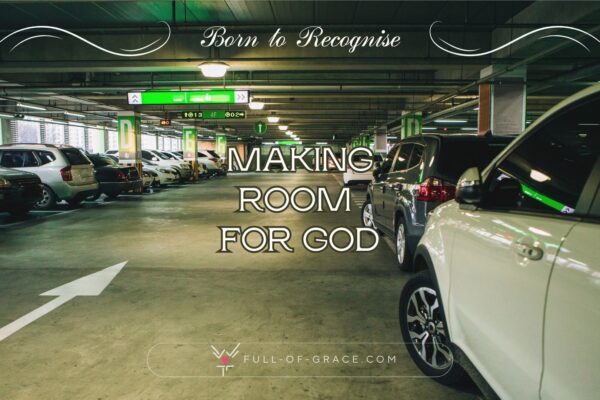
What is the difference between a busy car park and your heart? The greatest lie of the spiritual life is the belief in the empty slot – that we can prepare ourselves perfectly before letting God in. This week's reflection invites you into something more honest, and more restful: learning to waste time with God.
There is a moment before the day remembers to land on you. Before the list, before the phone, before the good version of you shows up for work.
This week lives there.
Two lines from Psalm 139. Seven practices. One honest look at what the promise sounds like when your own voice says it — and what your actual life looks like when you hold it up to the light.
You have been nominated for membership in the First International Secret Society of Impossible Things. Should you be accepted, you will never have to work again — and nothing, from this point forward, will be impossible. Your only task: show the tailor what to make.
Seven doors. Seven ways to hear. Open the one that calls to you.
Biblical background for Divine Mercy Sunday Year A (April 12, 2026). Acts 2 gives us the community that has already been breathed into – their response is exultant, embodied, common. 1 Peter addresses those who have not seen, and tells them their joy exceeds description. And John gives us Thomas: the body-knower who refuses secondhand faith, and the Christ who comes back through locked doors to meet him exactly where his body is. Research and exegesis for liturgy teams, homilists, and Bible study groups.
This week’s Sunday Experience is distributed across three moments of the Mass: a thirty-second prayer before the Liturgy of the Word inviting the assembly to close their missalettes and receive the Word through the ear alone; a two-to-three minute somatic exercise after communion, placing the community in the upper room in the moment before Jesus breathes, attending to the quality of their own auditory anticipation; and at the Final Blessing, the ancient formula from the Rite of Christian Initiation – “Receive the sign of the cross on your ears, that you may hear the voice of the Lord” – spoken as the assembly traces the cross on their own ears. Full script with pacing notes for presiders and ministers.
A complete Prayer of the Faithful for Divine Mercy Sunday (Second Sunday of Easter, Year A, April 12, 2026), with celebrant introduction and conclusion. This week’s intercessions are centred on the sense of hearing: praying for the Church’s attentiveness, for leaders who must learn to listen, for all whose vocation is to receive another person’s reality, for confessors emerging from the Easter season, for those who confessed at Easter, for families, and for each person making room for the breath of God. Includes practical notes for readers and presiders.
Easter Sunday has passed. The tomb is empty. And now the real journey begins — fifty days the Church has always known it takes to grow into resurrection. Born to Recognise is a seven-week Easter season journey through the Sunday readings, following the ancient blessing of the senses from Thomas and the locked room all the way to the fire of Pentecost. For liturgy teams, for parish communities, and for anyone whose body knew something their head hadn't yet caught up with.

Easter Sunday has passed. The tomb is empty. And now the real journey begins — fifty days the Church has always known it takes to grow into resurrection. Born to Recognise is a seven-week Easter season journey through the Sunday readings, following the ancient blessing of the senses from Thomas and the locked room all the way to the fire of Pentecost. For liturgy teams, for parish communities, and for anyone whose body knew something their head hadn't yet caught up with.
Related Posts
We have stopped noticing our hands entirely — until something goes wrong with them. But hands carry more of a human life than almost anything else: the work, the encounters, the belonging, the prayer. This week's practice begins with simply looking at what is already there.
In my years of massage work, I learned early what shoulders don't lie about. They are the accumulation point — the place where the day settles in. Not the crises. The micro-weights. Each one, taken separately, seems like almost nothing. Together, they can make it hard to breathe. This week we listen to what they've been holding.
What is the difference between a busy car park and your heart? The greatest lie of the spiritual life is the belief in the empty slot – that we can prepare ourselves perfectly before letting God in. This week's reflection invites you into something more honest, and more restful: learning to waste time with God.
There is a moment before the day remembers to land on you. Before the list, before the phone, before the good version of you shows up for work.
This week lives there.
Two lines from Psalm 139. Seven practices. One honest look at what the promise sounds like when your own voice says it — and what your actual life looks like when you hold it up to the light.
You have been nominated for membership in the First International Secret Society of Impossible Things. Should you be accepted, you will never have to work again — and nothing, from this point forward, will be impossible. Your only task: show the tailor what to make.
Seven doors. Seven ways to hear. Open the one that calls to you.
Complete free Sunday toolkit for Divine Mercy Sunday, Second Sunday of Easter, Year A (April 12, 2026). This week opens the Born to Recognise series – a seven-week Easter journey through the blessing of the senses toward Pentecost. Week 1 is the ear: the Shema, Thomas’s refusal of secondhand faith, the enephysesen as second creation, and the community breathed into by the risen Christ as the body through which hearing becomes possible. Includes biblical background, three-part embodied liturgy experience, Prayer of the Faithful centred on listening, and a personal reflection from the Scattered to Whole pillar.
Biblical background for Divine Mercy Sunday Year A (April 12, 2026). Acts 2 gives us the community that has already been breathed into – their response is exultant, embodied, common. 1 Peter addresses those who have not seen, and tells them their joy exceeds description. And John gives us Thomas: the body-knower who refuses secondhand faith, and the Christ who comes back through locked doors to meet him exactly where his body is. Research and exegesis for liturgy teams, homilists, and Bible study groups.
This week’s Sunday Experience is distributed across three moments of the Mass: a thirty-second prayer before the Liturgy of the Word inviting the assembly to close their missalettes and receive the Word through the ear alone; a two-to-three minute somatic exercise after communion, placing the community in the upper room in the moment before Jesus breathes, attending to the quality of their own auditory anticipation; and at the Final Blessing, the ancient formula from the Rite of Christian Initiation – “Receive the sign of the cross on your ears, that you may hear the voice of the Lord” – spoken as the assembly traces the cross on their own ears. Full script with pacing notes for presiders and ministers.
A complete Prayer of the Faithful for Divine Mercy Sunday (Second Sunday of Easter, Year A, April 12, 2026), with celebrant introduction and conclusion. This week’s intercessions are centred on the sense of hearing: praying for the Church’s attentiveness, for leaders who must learn to listen, for all whose vocation is to receive another person’s reality, for confessors emerging from the Easter season, for those who confessed at Easter, for families, and for each person making room for the breath of God. Includes practical notes for readers and presiders.
Exploring what Sunday Mass can be when a community truly gathers, and providing the liturgical tools to help make it happen.
For liturgy teams, priests, and everyone who believes Sunday is not just worth showing up for – it’s the heartbeat of personal and parish life.
Related Posts
Easter Sunday has passed. The tomb is empty. And now the real journey begins — fifty days the Church has always known it takes to grow into resurrection. Born to Recognise is a seven-week Easter season journey through the Sunday readings, following the ancient blessing of the senses from Thomas and the locked room all the way to the fire of Pentecost. For liturgy teams, for parish communities, and for anyone whose body knew something their head hadn't yet caught up with.

One Sunday before Holy Week, we arrive at a tomb. God unhides his tears. The sealed yetzer — the forming impulse that stopped expecting anything — is the theological heart of this Sunday's readings, and it runs from Genesis through Ezekiel, Romans, and John 11. Free resources for the Fifth Sunday of Lent Year A: in-depth biblical background, a near-silent guided stillness for presiders, and intercessions for the forgotten, the imprisoned, the grieving, and the ones who have stopped waiting.
It is Laetare Sunday — the midpoint of Lent, the Sunday of rose vestments and the first glimpse of where all this is going. The Fourth Sunday of Lent Year A readings move the arc of hiding-and-unhiding to its deepest point yet: from wilderness, to face, to well, now to the eyes themselves. God presses clay on a blind man's face and re-enacts Genesis. David the overlooked son is anointed king before he has done anything to deserve it. And Paul tells the Ephesians something that should stop us cold: not that you were in darkness, but that you were darkness — and now you are light. Free resources for liturgy teams, presiders, and anyone preparing for this Sunday.

This Sunday, the readings ask what we are still carrying from our narrow places into the free one. Israel drags its cattle into the wilderness. A woman carries her jar to a well at noon. Paul insists love arrived while we were still helpless. Free liturgical resources for the Third Sunday of Lent, Year A: in-depth biblical background with rabbinic and Kabbalistic keys, a somatic penitential rite built around the I Am exercise, and intercessions for the excluded, the thirsty, and the waters of the earth.
In Exodus 17, Israel quarrels at Horeb — the Dry Place — carrying cattle from Egypt into the wilderness, unable to trust that God will provide. In John 4, a woman carries a water jar to a well at noon, avoiding the gaze of her community. Paul tells the Romans that love was poured out while they were still helpless. The thread connecting all three: the portable Egypt we drag with us into the free place — and the moment we forget to pick it up.

The Second Sunday of Lent moves us from desert to mountain. Last week the question was: where do you hide? This week it becomes: what do you do when the light comes toward you? Free resources for 1 March 2026 include a full biblical background tracing the Transfiguration through Moses, Elijah, and Abraham; a contemplative penitential rite built around God's words of love from Scripture, with space to ask whether you receive them as personally addressed to you; and a Prayer of the Faithful with intercessions for those hiding from the light, managing God's radiance, unable to receive forgiveness, and finding their way back. A personal reflection on the Gospel that brought one person home is coming soon.

Once you've experienced Sunday as a living pulse — as the centre of a community genuinely becoming itself — you can't unfind that hunger. Most of us have attended thousands of Masses and remained, somehow, on the outside of them. Not for lack of faith or desire, but because nobody made room. This is a vision for the Sunday that doesn't leave anyone outside.
Complete free liturgy toolkit for the First Sunday of Lent (Year A). Includes in-depth biblical background on Genesis, Psalm 51, Romans 5 and the desert temptations, an embodied penitential rite, and Prayer of the Faithful. Explores the Lenten theme of hiding and unhiding — from fig leaves to the open desert. For liturgical coordinators, priests, and parish ministers.

Lent 2026 begins with an ancient invitation hidden in the first commandment: nothing between your face and God's. This year, we stop hiding. We begin here.
Once you've experienced Sunday as a living pulse — as the centre of a community genuinely becoming itself — you can't unfind that hunger. Most of us have attended thousands of Masses and remained, somehow, on the outside of them. Not for lack of faith or desire, but because nobody made room. This is a vision for the Sunday that doesn't leave anyone outside.
Related Posts
Easter Sunday has passed. The tomb is empty. And now the real journey begins — fifty days the Church has always known it takes to grow into resurrection. Born to Recognise is a seven-week Easter season journey through the Sunday readings, following the ancient blessing of the senses from Thomas and the locked room all the way to the fire of Pentecost. For liturgy teams, for parish communities, and for anyone whose body knew something their head hadn't yet caught up with.
One Sunday before Holy Week, we arrive at a tomb. God unhides his tears. The sealed yetzer — the forming impulse that stopped expecting anything — is the theological heart of this Sunday's readings, and it runs from Genesis through Ezekiel, Romans, and John 11. Free resources for the Fifth Sunday of Lent Year A: in-depth biblical background, a near-silent guided stillness for presiders, and intercessions for the forgotten, the imprisoned, the grieving, and the ones who have stopped waiting.
It is Laetare Sunday — the midpoint of Lent, the Sunday of rose vestments and the first glimpse of where all this is going. The Fourth Sunday of Lent Year A readings move the arc of hiding-and-unhiding to its deepest point yet: from wilderness, to face, to well, now to the eyes themselves. God presses clay on a blind man's face and re-enacts Genesis. David the overlooked son is anointed king before he has done anything to deserve it. And Paul tells the Ephesians something that should stop us cold: not that you were in darkness, but that you were darkness — and now you are light. Free resources for liturgy teams, presiders, and anyone preparing for this Sunday.
This Sunday, the readings ask what we are still carrying from our narrow places into the free one. Israel drags its cattle into the wilderness. A woman carries her jar to a well at noon. Paul insists love arrived while we were still helpless. Free liturgical resources for the Third Sunday of Lent, Year A: in-depth biblical background with rabbinic and Kabbalistic keys, a somatic penitential rite built around the I Am exercise, and intercessions for the excluded, the thirsty, and the waters of the earth.
In Exodus 17, Israel quarrels at Horeb — the Dry Place — carrying cattle from Egypt into the wilderness, unable to trust that God will provide. In John 4, a woman carries a water jar to a well at noon, avoiding the gaze of her community. Paul tells the Romans that love was poured out while they were still helpless. The thread connecting all three: the portable Egypt we drag with us into the free place — and the moment we forget to pick it up.
The Second Sunday of Lent moves us from desert to mountain. Last week the question was: where do you hide? This week it becomes: what do you do when the light comes toward you? Free resources for 1 March 2026 include a full biblical background tracing the Transfiguration through Moses, Elijah, and Abraham; a contemplative penitential rite built around God's words of love from Scripture, with space to ask whether you receive them as personally addressed to you; and a Prayer of the Faithful with intercessions for those hiding from the light, managing God's radiance, unable to receive forgiveness, and finding their way back. A personal reflection on the Gospel that brought one person home is coming soon.

Exploring what Sunday Mass can be when a community truly gathers, and providing the liturgical tools to help make it happen.
For liturgy teams, priests, and everyone who believes Sunday is not just worth showing up for – it’s the heartbeat of personal and parish life.
Complete free liturgy toolkit for the First Sunday of Lent (Year A). Includes in-depth biblical background on Genesis, Psalm 51, Romans 5 and the desert temptations, an embodied penitential rite, and Prayer of the Faithful. Explores the Lenten theme of hiding and unhiding — from fig leaves to the open desert. For liturgical coordinators, priests, and parish ministers.
Lent 2026 begins with an ancient invitation hidden in the first commandment: nothing between your face and God's. This year, we stop hiding. We begin here.