
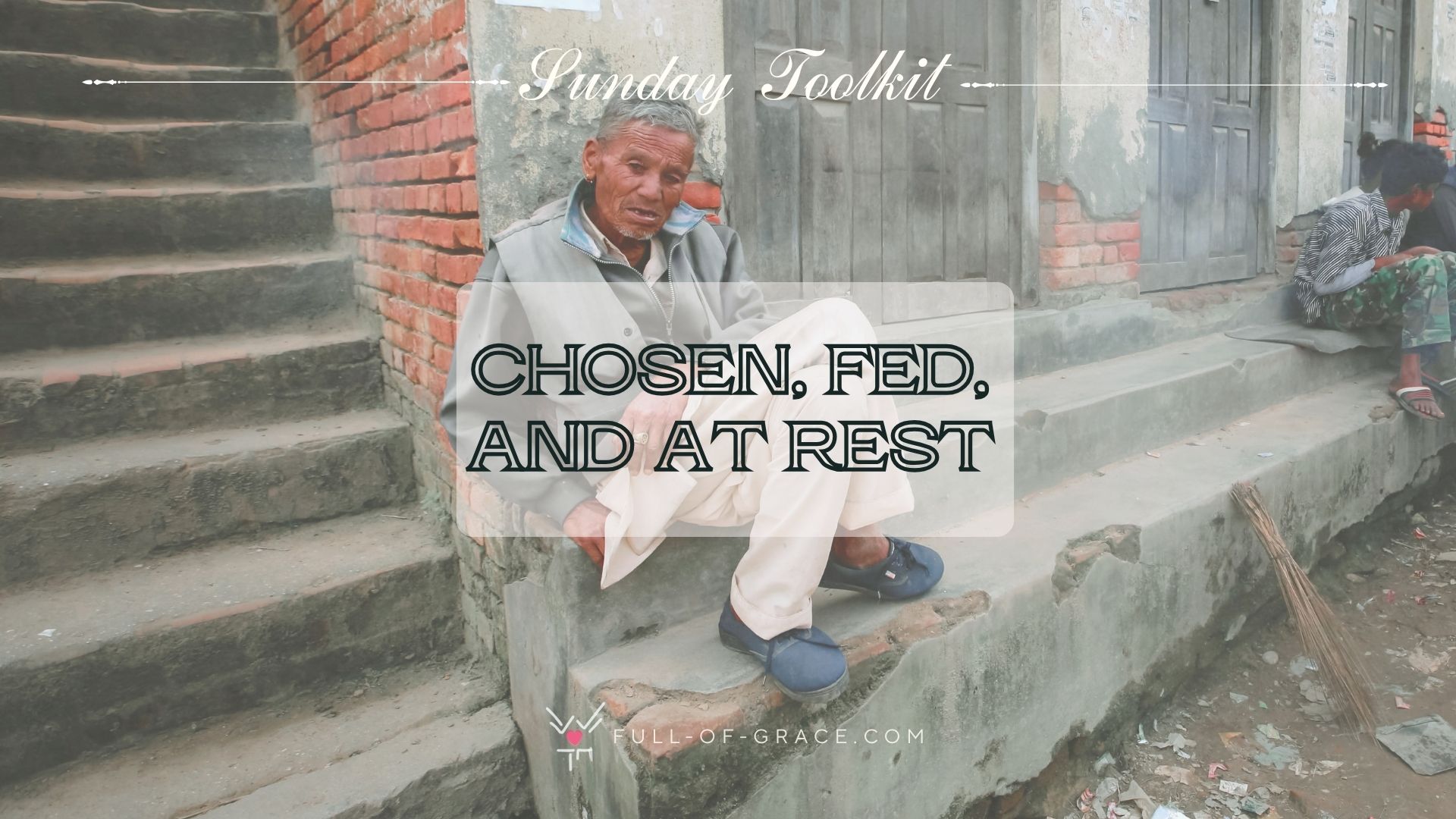
On resourceless freedom, rescue on repeat, and waving the line.
Reflection on Matthew 20:1-16
We think we know this one
An order of a meeting is being decided and you get the last slot, while someone else, delighted with themselves, pat your shoulder, calling out “the last shall be first!” Two people reach a doorway at the same moment, and the more gallant one steps back -“no, no, you first” – he insists, quoting the very same line. Both of them laughing, neither of them thinking about a vineyard at all. I could build a small catalogue of the moments I’ve heard this particular sentence (mis-)used this way.
Thus, the last will be first, and the first will be last.
This sentence has become a joke about doorways and dessert plates and who gets to go first in line at coffee hour. It has almost nothing left to do with the gospel it came from.
And even when we do bring the actual story to mind, we know where it’s going before it starts.
A landowner, a vineyard, workers hired at different hours, all paid the same at the end.
We settle in expecting a lesson about generosity, possibly challenging its fairness. Maybe we ask: would I be upset if I were one of the early workers, would I be grateful if I were one of the late ones?
We arrive at the coin before we’ve even entered the marketplace.
Let’s park both of those. Let’s not settle so easily. Not for the wages, not for the reversal, not for the tidy moral about generosity we already suspect we’re being handed.
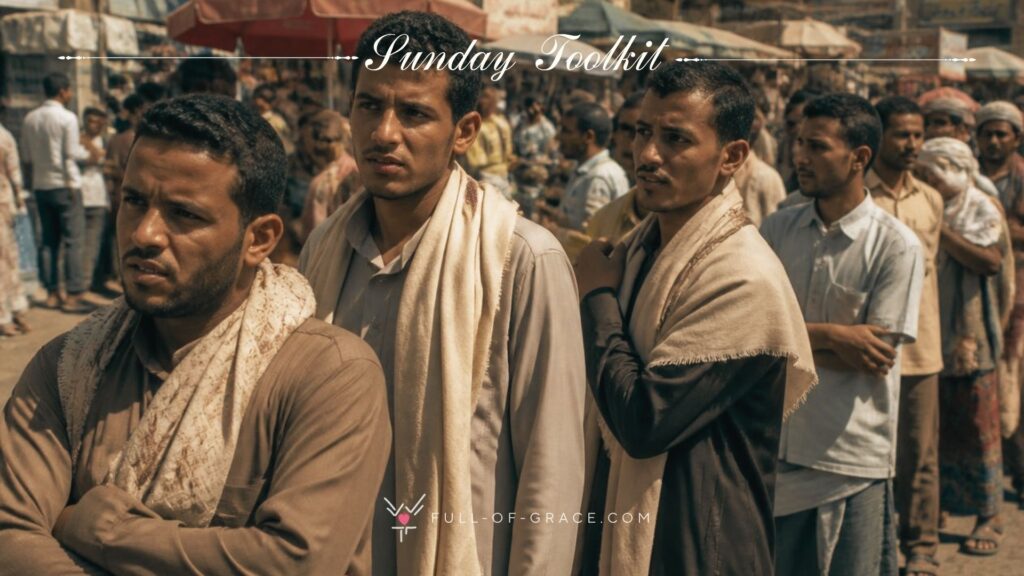
Before any of that, there’s a square full of men whose entire day depends on being seen – and it’s worth standing there with them for a while before we let ourselves know how the story ends.
Coordinates
Where are we in the Bible?
Matthew 20:1-16. The parable falls within Matthew’s journey narrative (19:1–20:34), the section tracking Jesus’s movement from Galilee toward Jerusalem. It comes directly after the encounter with the rich young man (19:16-22) and Peter’s question, “we have left everything and followed you, what then will we have?” (19:27), and directly before the third and most detailed prediction of the Passion (20:17-19). The parable is Jesus’s own answer to Peter, framed by the identical saying – “the first will be last, and the last first” – at both 19:30 and 20:16.
When was it written?
Matthew’s Gospel is generally dated to the 80s AD, written for a Jewish-Christian community, likely in Syrian Antioch, in the decades following the destruction of the Jerusalem Temple in 70 AD.
What history does it answer?
Matthew’s community was working through the terms on which two groups stood together in one church: Jewish believers who had followed the Law from birth and kept it before ever hearing of Christ, and later Gentile converts, entering without that inheritance of observance. The parable speaks directly into disputes over standing, seniority, and merit between those who came to faith “early” and those who arrived “late.”
Where are we in salvation history?
The parable is spoken en route to Jerusalem, in the final stretch of Jesus’s public ministry, immediately before he turns toward his own arrest and death. It belongs to the teaching Jesus gives his own disciples about the nature of the kingdom in the shadow of the cross he is walking toward.
The Scenery of the Market
Back to who is standing in that square, and why standing there is the whole of their situation.
The kingdom of heaven is like a landowner
who went out at dawn to hire laborers for his vineyard.
After agreeing with them for the usual daily wage,
he sent them into his vineyard.
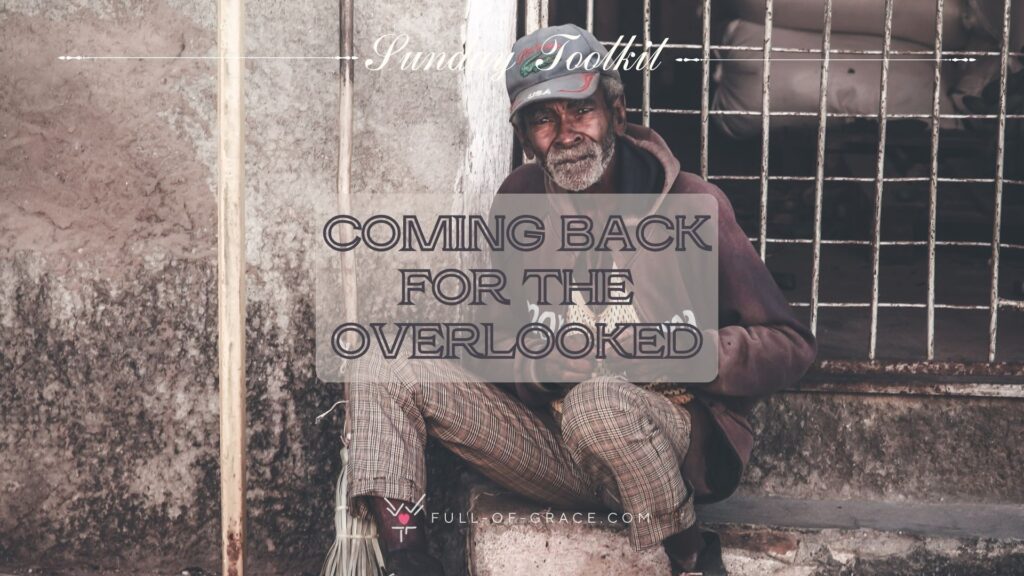
These are landless men. Not slaves – a slave belongs to a household, and however harsh that bond is, the household owes him food whether the day went well or not. Not tenant farmers either, with a lease and a plot to return to.
These men are free, in the strict legal sense, and that freedom has gotten them nothing: no land, no reserve, no one obligated to feed them tonight. To eat means to be chosen.
So they come to the square because the square is where being chosen happens – not an office, not an appointment, just a public place where a landowner or his steward will come, look over whoever is standing there, and pick. There is no other way in. A man cannot apply, cannot follow up, cannot make his case in advance. He can only be present, and hope to be picked.
The entire day, for every man standing there, is organized around that one hope. Whatever tiredness is already in his shoulders – yesterday’s labor, or the ache of a body that didn’t get enough food and rest to recover – he carries it into the square anyway, because a tired body still has a better chance of earning wages than no body at all. So you stay, watching the ones who look strongest get picked first and walk off toward someone’s field. You stay, because leaving means giving up the only chance you have to survive that day.
The One Who Comes Back
Being picked out, at any hour, answers the main question that has been open since before sunrise: will there be food tonight.
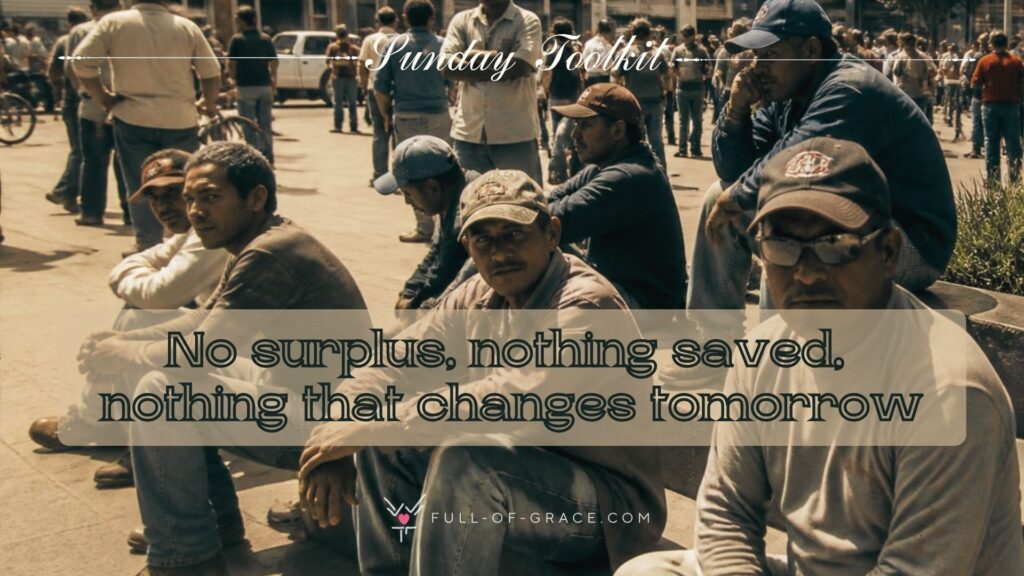
A denarius buys exactly one day – no surplus, nothing saved, nothing that changes tomorrow – but for tonight, the question about provision closes.
To be picked at dawn is to know by six in the morning that tonight is covered. To be picked at 5 pm, after watching every other man walk away while you stood there unchosen, is to have the fear that had already set in – the day nearly gone, still nothing – suddenly, unexpectedly, lifted.
So when a landowner comes back to that square a second time, a third, a fourth – the men still standing there are not the ones who slept in or hesitated. They are the ones for whom the question is still open, hour after hour, and every trip he makes back is another chance that it might finally close.
The landowner may not even need more hands. One trip at dawn, with a full negotiated wage settled on the spot, would have covered any ordinary day’s labour need.
A landowner who returns five separate times – at nine, at noon, at three, at five, with the day almost gone – is not managing a harvest. He is checking, again, whether anyone is still standing there with the question unclosed.
He goes back not because the vineyard is short of workers, but because he is not finished looking for the ones whose need has not yet been met.
What a Parable Is, and Isn’t
A parable is not a map. It isn’t a set of instructions, a mechanism where pressing this button produces that outcome with God – do this, and heaven follows; stand here, and you’ll be found. It doesn’t reward that kind of handling. A parable offers something closer to an icon of God’s nature, a shape to be entered rather than decoded, and it resists being pressed for more precision than it was built to hold.
The moment we ask it to function as a manual – why five trips and not one, why this hour and not that one – we’ve already stepped outside what it was given to do.
So what follows is offered as exactly that: a suggestion, a movement of the heart, not a scale drawing of how grace operates. Held loosely, it’s still worth sitting with – because the same multiple returns that reveal a Person who keeps carrying, checking, attending, might also be opening a harder question, one the parable doesn’t answer but doesn’t close off either: why does this market exist at all?
Why is there a square, in the first place, where a person’s next meal depends on whether someone happens to walk through and choose them?
If the landowner going back again and again is the mercy, what does it mean that the going-back is necessary – that there’s a whole system requiring rescue on repeat, rather than something that never should have left anyone standing there in the first place?
Maybe that’s not a question the parable itself asks. But it may be the question for the church to answer for.
The Question Behind the Question
Let us go back to where this parable arrived from (see: COORDINATES)
Teacher, what good deed must I do to have eternal life? (Matthew 19:16)
That’s the question the rich young man brings, verses before any of this, already pushing the framework inside the marketplace. What do I need to do? What to pay? What deed will purchase the thing I want?
The man walks away sad, because the only answer he can hear is one denominated in more effort.
And the market square is that question, given a body. Every man standing there has absorbed the same logic without ever framing it in words: what do I need to offer to be picked, to be found worthy, to receive what I need to live. Being picked isn’t given – it’s earned by showing up, by looking strong enough, by outlasting the ones who leave. The whole economy of the square runs on the same current as the young man’s question:
what do I have to do?
Stepping Out of the Line
Here’s what the wage was never going to do, no matter which hour it was agreed to: buy anyone out. A denarius is a day. It was never going to be the thing that finally purchases security, purchases belonging, purchases a place that doesn’t have to be earned again tomorrow.
Whatever was negotiated in that square – early or late, spoken plainly or simply trusted – none of it was ever going to be the way out of needing to be selected again.
Which is what the last line is actually doing.
Thus, the last will be first, and the first will be last.
Not rearranging who stands where. Not a promise that the overlooked will someday get to do the overlooking. It’s a hand on the shoulder, turning the gaze somewhere else entirely – away from the coin, away from the hour you were hired, away from comparing your place in line to the next man’s, and back to the one who came looking for you in the first place.
The moment the wage stops being the point, the line waves and there’s no longer a slot to be first or last in. That was only ever the shape the marketplace forced onto things.
Yet the grumbling workers, for all that’s wrong in their complaint, still get something right: they take it to the landowner directly.
When they received their pay, they protested to the owner,
‘Those people worked only one hour,
and yet you’ve paid them just as much
as you paid us
who worked all day in the scorching heat.’
Said to the owner’s face, not muttered to each other behind his back – directness unlocks the deeper encounter.
If we’re disappointed with what our faith has given us, if we’ve quietly kept score of what our faithfulness should have bought us by now, the answer isn’t to swallow it or to nurse it in silence.
It’s to bring it to God directly – and let the honesty of that complaint be the very thing that opens the real question underneath it: why was I trying to purchase what he was already trying to give me for free?
Celebrating the Vineyard
The daily laborer’s whole life was organized around one unanswered question: will there be bread tonight, and will I have to earn it again tomorrow. Sunday answers that question twice, in two different registers.
First, there is a table. Bread and wine, an actual meal, an actual invitation to sit down and eat – not wages handed over for services rendered, but food given because you were invited, not because you produced enough to deserve it.
The companionship at that table is only possible because of what’s on it; you cannot gather around an empty place the way you gather around a shared loaf. This is the Eucharist answering the marketplace directly: the thing the day laborer could never secure – food that doesn’t run out tomorrow, provision that isn’t contingent on being chosen again – given freely, every week, to people who did nothing that morning to earn it.
But Sunday doesn’t stop at the table. It also asks something of us that the marketplace never once allowed: rest. Not a pause between labors. Not a longer prayer, a lower bow, a more careful performance of devotion – because that would only be the wage economy dressed in liturgical clothes, one more way of trying to earn what’s already been given.
Real rest is harder than that. It’s the capacity to be in front of God with no expectation placed on yourself – not needing to do anything, produce anything, prove anything, earn anything, in order to belong at that table.
For anyone who has spent a lifetime believing that showing up, working hard, and outlasting the others is what secures a place, this is the most difficult thing Sunday asks:
to simply be there, chosen, fed, and at rest, with nothing left to purchase.
This is the whole distance the vineyard traveled. The slave belongs to a household but owns no freedom. The laborer is free but owns no security, forever returning to the square to be selected again. A child of the landowner owns neither anxiety – not because a child has done more to deserve the table, but because the child was never standing in the market in the first place. Sunday is the day that distance closes: fed like someone finally provided for, and at rest like someone already valued.
This reflection is a part of a four movements journey.





















One thought on “Late, Not Lost: The Workers in the Vineyard (Matthew 20:1-16, XXV_OT_A)”
Comments are closed.