Your body reaches a point where it can't take in any more attention. Yet the attentive care doesn't stop. This Sunday's readings have a texture most Sundays don't carry - stranger, more interior, harder to sit still for. Jeremiah's kidneys. Hidden lice. The God who doesn't stop at knowing, but goes through.
Related Posts
Before we can hear what "the last will be first" really means, we have to stand in the marketplace - with the men whose whole day depended on being chosen. A reflection on Matthew 20:1-16, the market, the wage that was never the way out, and the rest Sunday finally offers.
Paul writes from a cell, awaiting a verdict he cannot control, and says he doesn't know which he'd choose — life or death. It sounds like arrogance. It isn't. A close read of the Greek, the prison behind the letter, and what it means to already hold citizenship no sentence can revoke.
The promise says he's close to all who call. So why doesn't it always feel that way? One Hebrew letter – the same one Jewish legend puts on a golem's forehead – turns out to hold the answer.
I open this reading braced for accusation – seek the Lord while he is still to be found – and find, underneath the fear, a God the Hebrew itself insists was never hiding. Dirshu, the word for seek, is Israel's old verb for consulting an uncertain oracle; b'himmatz'o, "to be found," names a condition that simply is, not a window that might close. From there the passage keeps unsettling what I thought I understood – an offering that may be moving in the opposite direction than I assumed, a love running on no compensation plan at all, a faithfulness set behind the cosmos itself. Isaiah 55:6–9, read slowly, through the Hebrew, for the 25th Sunday in Ordinary Time, Year A.

Solomon asks for a listening heart. Paul assures a suffering church it was loved before it was chosen. Jesus tells of treasure and pearl. And underneath: belovedness precedes the asking, and the Kingdom is never bought. The 17th Sunday in Ordinary Time (Year A) gathers Solomon's prayer at Gibeon, Psalm 119's delight in the law, Paul's "golden chain" in Romans 8, and Matthew's closing parables of the treasure, the pearl, and the net. Read through Hebrew and Greek exegesis, the wound beneath Solomon's origin story, and two patristic traditions on who is really doing the seeking in Matthew 13, this Background traces a single thread: every reading insists we are found before we ever go looking.

he darnel sown among the wheat isn't simply an unwanted plant – it's a toxic double, indistinguishable from the real grain until harvest, its roots already tangled with the wheat's own by the time anyone can tell them apart. This Sunday's readings hold that image up against a God whose might, Wisdom insists, is precisely what allows for patience – and a Psalm that shares one Hebrew verb, shuv, between our turning and God's. This biblical background moves through three readings of the parable – the community not rushed to judgment, the soul unable to sort its own wound from its own wheat, and the rite that takes generations, not one lifetime, to discern – arriving at a single image: an angel over every blade of grass, before anyone yet knows what it will become.

We think we know this parable – and we've turned it into a soil inspection: which ground am I? But the soil cannot move itself away from the thorns, and Genesis already told us the ground was cursed through no fault of its own. Read again through the eyes of the Sower who sows the way rain falls – without exemptions – this best-known parable becomes something else entirely: the reversal of the first curse, the healing the people feared, and the word that keeps returning to offer the soil a new name.

He arrives on a donkey, not a warhorse – humble not as a mood but as a legal condition, the posture of the one who owns nothing and gleans what the harvest left standing. This Sunday's readings – Zechariah's gleaning king, a psalm that falls silent exactly where it should praise God's faithful words, Paul's Spirit making permanent home in a mortal body, and Jesus naming the pre-verbal infant as the one who receives what the wise cannot – keep circling one threshold: the place just before speech, where nothing has been earned, and everything is still given.
There are three verses missing between last Sunday and this one. The lectionary simply skipped them. But they carry the taste of everything that follows – and without them, the Sunday gospel risks sounding like an impossible demand rather than an extraordinary announcement. Jesus is not asking for a performance of superior love. He is announcing that a new quality of time has begun. A time that cannot be entered by performing rites or rituals. A time that arrives, in its fullest form, in the smallest possible gesture: a cup of cold water handed to someone who is thirsty.
Jesus looks at the crowd and his entrails move. The Greek word Matthew uses – splanchnizomai – is not sympathy observed from a distance. It is the same gut-response he has when he meets a mother walking behind her dead son's coffin. What does he see in the living that registers at the same depth as death? The 11th Sunday in Ordinary Time Year A takes us through Exodus 19, Psalm 100, Romans 5 and Matthew 9-10 – from the wilderness of Sinai to the missionary sending of the Twelve – following the thread of God's womb-mercy, the heartbeat that never stopped, and the cost of lending your flesh to carry it forward.

What actually happened on Sinai when God passed before Moses and called out the divine name? The rabbis found it almost too absurd to say – were it not written, they said, we wouldn't dare. This biblical background for the Solemnity of the Most Holy Trinity traces the Name from that ridiculous, intimate mountain procession through the furnace of three young men, through Paul's triage of a fractured community, to the most-quoted verse in Christianity – and asks whether we still know what we're holding.
The Spirit of Pentecost does not arrive to rebuild your reality. It arrives to change what your tongue can taste of this one. This biblical background traces the age of radical inclusion through all five liturgical texts – Acts 2's dismantling of the temple system, the Hebrew nefesh of Psalm 104, Paul's throwaway sentence that is actually the heart of everything, John's locked-room breath, and the Wisdom antiphon that has been saying it all along: the Spirit has already filled the whole world. What changes at Pentecost is not the Spirit's presence. It is our capacity to recognise it – by name, in our own language, from inside our own life.

The disciples stand looking at the sky while the angels ask the most pastoral question in the New Testament: why are you still here? This Biblical Background for the Ascension of the Lord (Year A) explores the Hebrew roots of Psalm 47's clapping hands, the order of the Great Commission in Matthew, and why Paul's prayer for the Ephesians is a prayer for recognition rather than arrival. The common thread: Christ withdraws the visible so that his fullness may dwell in our emptiness.
Philip doesn't arrive in Samaria because he planned to. He arrives because he is running. And the Spirit — apparently — does not share our maps. A biblical deep-dive into what it means to receive the blessing before the weight arrives.
What does it take for Christ to dwell in the heart? This Sunday's readings trace one movement: from the heart weighed down by its own meaning-making to the heart that has made space – and can ring out. Exegesis of Acts 6, Psalm 33, 1 Peter 2:4–9, and John 14:1–12 for liturgy teams and homilists.

The Fourth Sunday of Easter is often called Good Shepherd Sunday – but this year's Gospel stops just before that declaration. Jesus calls himself the gate. Twice. This in-depth biblical background explores what that means in the context of first-century shepherding practice, traces the full arc of John's ego eimi statements, recovers the Greek behind katenygēsan (cut to the heart) in Acts 2, restores the mistranslated 1 Peter passage, and reads Psalm 23 as examination of consciousness rather than promise. Part of the Born to Recognise Easter-to-Pentecost series on the blessing of the senses.
Emmaus, Psalm 16, and Peter's Pentecost speech all turn on the same question: what kind of seeing leads to encounter? From the Hebrew shivviti to the Greek epegnōsthē, these readings trace a pedagogy of perception – from signs to recognition to the broken bread that changes direction.
Biblical background for Divine Mercy Sunday Year A (April 12, 2026). Acts 2 gives us the community that has already been breathed into – their response is exultant, embodied, common. 1 Peter addresses those who have not seen, and tells them their joy exceeds description. And John gives us Thomas: the body-knower who refuses secondhand faith, and the Christ who comes back through locked doors to meet him exactly where his body is. Research and exegesis for liturgy teams, homilists, and Bible study groups.
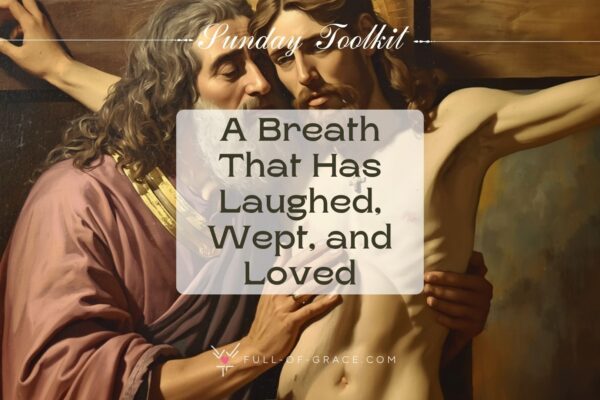
From the cross Jesus is quoting Psalm 31 almost word for word. But he makes one change — and that change alters everything. A close reading of the Greek and Aramaic of Luke 23:46: what Jesus actually said, what it cost him to say it, and why the Father was already running before the breath left his lips.

What dies first is not hope but the capacity to expect. The Hebrew yetzer — the forming impulse, the faculty that reaches toward what doesn't yet exist — can seal itself so quietly we don't notice it's gone. The Fifth Sunday of Lent arrives with Ezekiel's promise, Paul's present-tense Spirit, and Jesus shouting into a four-day-old tomb. Free in-depth biblical background with rabbinic and Kabbalistic keys for liturgy teams, homilists, and Bible study groups.
From David hidden among the sheep to the man born blind thrown out of the synagogue, the Fourth Sunday of Lent Year A readings tell one story: God re-creates those the world forgot to see. This biblical background post explores the Hebrew aphar (earth/clay/dust) that links Genesis to John 9, the Greek aposynagōgos and what expulsion from the synagogue actually meant in the first century, the ontological shift in Ephesians ("you were darkness"), and Psalm 23 as the prayer of the newly anointed one dining in the sight of enemies.
In Exodus 17, Israel quarrels at Horeb — the Dry Place — carrying cattle from Egypt into the wilderness, unable to trust that God will provide. In John 4, a woman carries a water jar to a well at noon, avoiding the gaze of her community. Paul tells the Romans that love was poured out while they were still helpless. The thread connecting all three: the portable Egypt we drag with us into the free place — and the moment we forget to pick it up.

What if the Transfiguration was not a once-only event staged to strengthen the disciples before the passion — but simply a glimpse of what always happened when Jesus was alone in prayer? This biblical background for the Second Sunday of Lent Year A explores Moses and Elijah not as symbols of law and prophecy, but as two human beings who knew from experience what it costs and what it means to shine with God's presence. One through prayer so sustained his face became unbearable to look at. One through depression so complete he lay down and asked to die. Together, alongside Abraham's embodied obedience and Paul's language of grace made manifest, they give us a Transfiguration that is not about spectacle — but about the passive, transforming gift of staying in the presence of God.
In-depth biblical context for all four readings of the First Sunday of Lent (Year A): Genesis 2–3 and the Fall, Psalm 51's prayer for a clean heart, Paul's Adam-Christ parallel in Romans 5, and Jesus' three temptations in the desert. Includes a rabbinic key from the Talmud (Sanhedrin 38b) that reframes the Genesis story, the Greek behind "the tempter," and an introduction text for the Liturgy of the Word. Traces the common thread of hiding and presence across all readings.

Explore the biblical and historical context of the Holy Family readings (Year A): Sirach's defense of families under Hellenistic pressure, the meaning of splanchna compassion in Colossians, and Matthew's vulnerable Holy Family. Discover why the commandments were written not just on stone but in the "father and son" relationship, and how the Holy Family models a third way between therapeutic culture and toxic traditionalism.
Two fathers. Both in the Davidic line. Both offered divine signs about sons. Both at impossible thresholds.
Ahaz: Refuses the sign. Trusts political alliances. Sacrifices his biological son. Represents control, calculation, visible power.
Joseph: Receives the sign. Trusts the dream. Adopts his non-biological son. Represents receptivity, surrender, invisible faith. And the good news that God works through the whole broken lineage—the refusers and the receivers both. Emmanuel comes anyway. We are called to belong.
This Sunday - Gaudete Sunday, "Rejoice Sunday" - stands as the rose-colored candle in our Advent wreath, a flicker of joy in the midst of purple penitence. But what kind of joy? The readings this week reveal a paradox that may be uncomfortable: the call to rejoice even when our own miracle doesn't come, to celebrate kingdom breakthrough while we ourselves remain at the threshold.

There's a mystical tradition in Judaism—found in Kabbalistic and rabbinic commentary—that plays with the Hebrew word for skin. The tradition suggests: We were first clothed in light. After the Fall, we became clothed in skin—in flesh, in mortality, in the kind of covering that requires death. Baptism is God's attempt to clothe us again in what we lost, to undo the first death, to reverse the sacrifice He had to make in the Garden. As we listen to the 2nd Advent readings, let us pay attention: How much of this message do we actually believe? How much do we claim as our own? How much are we willing to live out?

QUICK REFERENCE Date: November 20, 2025Liturgical Season: 1st Sundaynof Advent, Year A Readings: First Reading: Isaiah 2:1-5 Responsorial Psalm: Psalm 122: 1-2, 3-4, 4-5, 6-7, 8-9 Second Reading:...
QUICK REFERENCE Date: November 23, 2025Liturgical Season: Solemnity of Our Lord Jesus Christ, King of the Universe (Last Sunday in Ordinary Time, Year C) Readings: First Reading: 2 Samuel 5:1-3...

Deep biblical context for the 33rd Sunday in Ordinary Time, Year C. Explores Malachi's post-exile questioning, Luke's narrative of Jesus in his final week before crucifixion, the widow's radical trust versus temple-admirers, and Paul's teaching on table fellowship. Includes detailed historical context, theological insights, optional read-aloud introduction text for Liturgy of the Word, and reflection on Christ's loneliness when we perform worship instead of showing up in our poverty.

Biblical background for 30th Sunday Ordinary Time Year C. Explore Sirach 35, 2 Timothy 4, and Luke 18:9-14 - the Pharisee and Tax Collector parable for Catholic homily prep.
When prayer feels exhausting and faith grows heavy: Biblical reflection on Moses' raised hands, the persistent widow, and what it means to keep looking up when everything pulls you down. For anyone struggling to pray without ceasing. (29th Sunday Ordinary Time, Year C)
The Passover night, Abraham's city with foundations, the master's wedding feast—all point to the same reality: God's promises aren't just future hope, they're present invitation. The Eucharist is where tent becomes promised land, where servant becomes friend.
What connects a silver mirror, biting serpents, and the Bible's first murder mystery? The answer might change everything you thought you knew about spiritual life—and help you discover whose breath is actually sustaining you. An investigation into this Sunday's most challenging readings. 🐍🪞✨
Why does Jesus refuse to judge in this Sunday's Gospel? Why does Ecclesiastes call everything 'vanity'? Your biblical roadmap to the readings—plus a murder mystery hook that will change how you read Genesis forever. 📖🔍
Abraham's story teaches us something profound about prayer and relationship with God. The man who learned he couldn't trust his earthly father discovered he could completely trust his heavenly one. The God who listened as Abraham bargained from fifty down to ten righteous people is the same God who invites us to bring our daily bread concerns, our forgiveness needs, our fears about evil.
In this Sunday's readings, we witness a remarkable pattern of prayer that spans millennia. Abraham, walking alongside divine visitors on the dusty road from Mamre toward Sodom, dares to bargain with God for the lives of strangers. Centuries later, Jesus teaches his disciples to approach that same God as 'Abba'—Daddy. Both moments reveal the stunning truth at the heart of our faith: the Creator of the universe invites us into intimate, persistent, confident conversation. Prayer is not begging a distant deity, but trusting dialogue with a loving Father.
An old Talmudic tradition says Adam didn't even sleep in paradise. He arrived, he breathed, he named things, he loved, he fell, he was gone. And in the eighth hour — before the sin, before the hiding — they ascended to bed as two and descended as four. There were already four people there before anything had been lost. This is a reflection on what intimacy reveals, the identities we build around our wounds, and why there is no recipe for becoming truly known.
Related Posts
Walk the Emmaus road through your body, not your mind – a sensory guided experience for the Third Sunday of Easter exploring sight, exhaustion, and the bread-breaking as the hinge moment where body-knowing outpaces visual recognition.
or the person who has everything and still feels the absence. Threshold Work is not a program. It is a process of being seen.

A personal story of leaving the Catholic Church, seventeen years of spiritual seeking, unnamed physical pain, and the Transfiguration gospel that changed everything. Not a homily. Not an exegesis. A witness — for anyone who has ever wondered if they can come back.
So you've done the reading. You understand your attachment style, your patterns, why you react the way you do in relationships. You can name it, explain it, trace it back to where it started. So why are you still doing the same thing? Your body has decades of automated responses that say: vulnerability = danger. That automation runs deeper than thought. It lives in your muscles and breath shortening.
This is why cognitive work can help you manage symptoms but often just redirects the underlying pattern.

And so I'm choosing to practice zakhor - the Hebrew command to remember. Not passive nostalgia, but active, intentional remembering that brings past grace into present awareness. To remember that though the problems are piling up, it is just a dark hour, not a dark world. Not a dark life. Just a dark hour. And I've been in dark hours before and light came. My God has a history of meeting me in my emptiness.

For too long, I've treated my relationship with God like a ticket out of hell instead of a doorway to heaven. I've focused on avoiding damnation rather than building paradise. But what if Mary's assumption teaches us to be promise rememberers, blessing celebrators, heaven multipliers?
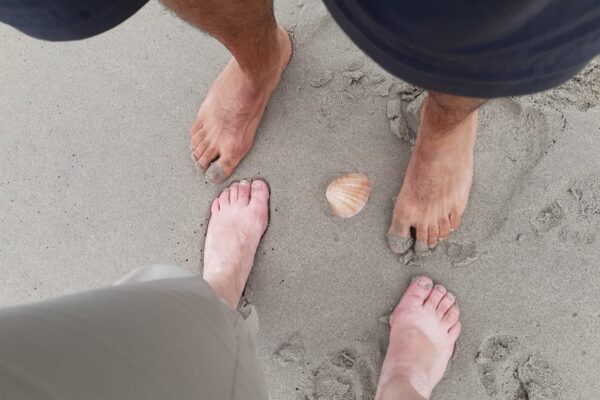
What happens when a spontaneous pilgrimage meant to prepare you for religious life instead leads to a romance—and eventual heartbreak? My 2019 Camino de Santiago preparation began on a June Monday with a wild idea and ended on a Wednesday airplane to Biarritz, but the real journey was just beginning. From meeting an Italian stranger on the trail to navigating the intensity of a "Camino crush," this is the story of how a broken heart, deep faith, and unwavering values led me to discover what true love actually looks like. Sometimes the longest spiritual journeys take us exactly where we were meant to be all along—not to a convent, but to a love that sanctifies ordinary life.
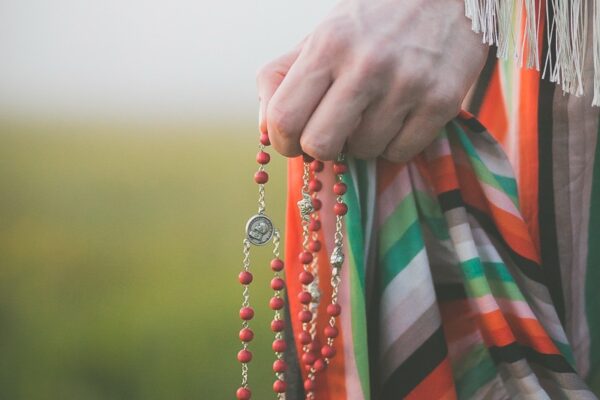
On returning to Poland for Mother's Day with a history of 17 years away from the Church, I'm reflecting on three mothers who shaped my spiritual resurrection: my earthly mother, the Mother Church, and Mary. Like the three women at the empty tomb, these three have witnessed my journey from faith to wilderness and back home again. Sometimes we need to be the lost sheep to truly understand what it means to be found.
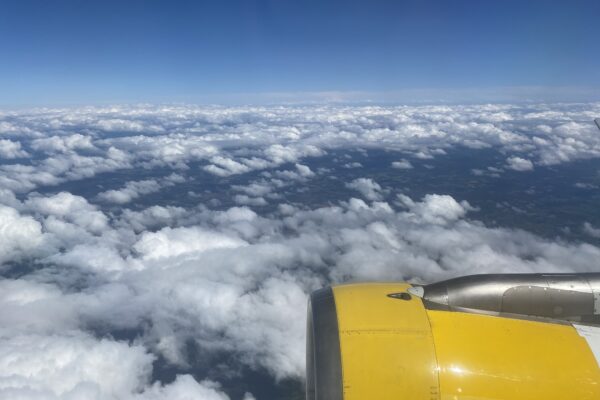
Beneath all that stress, beneath the mistakes and the rushing and the what-ifs, there was this extraordinary sense of being held. Like someone had injected liquid trust directly into my veins. When that boarding announcement came 20 minutes early, I could almost hear it: 'I'm taking care of it. I'm taking care of you. Trust me. Everything is going to be alright.' Perhaps this is what spiritual maturity looks like—not the absence of anxiety, but the presence of peace beneath it.
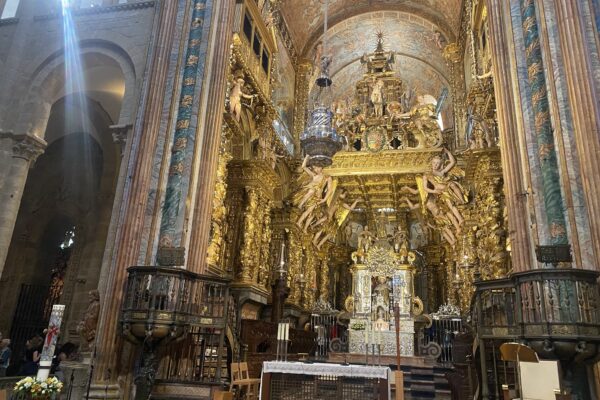
Faith is often less about movement and more about stillness. Today, I discovered this truth through four hours spent within Santiago's cathedral walls - a masterclass in pilgrimage patience that no amount of walking could have taught me. For someone who has spent weeks with landscapes constantly changing, this forced stillness felt almost jarring. But in the sacred chaos of waiting - first in unmoving queues, then through two hours of restless cathedral atmosphere - I learned that arriving in Santiago doesn't make the journey easy. It just changes the type of challenge from physical movement to spiritual patience.
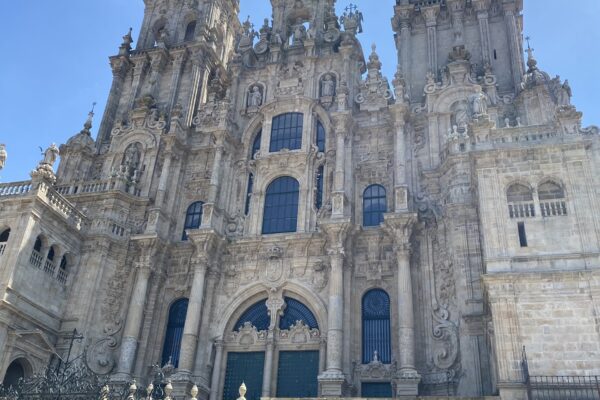
Today I write from Santiago de Compostela, not having walked the complete path as planned, but arriving nonetheless with a heart full of wonder. This pilgrimage has been profoundly different from my 2019 walk—marked by deep pondering about Santiago and walking in the footsteps of the apostle. After all the struggles, from feverish nights in Logroño to urgent calls pulling me back to Poland, I found myself in a magnificent room overlooking the cathedral itself. Standing there, I couldn't help but feel Saint James smiling back, reminding me that even our detours can lead us exactly where we need to be.

I remember in 2019, my life's motto was to 'live every day as if it was the last.' It was impossible. The intensity was unsustainable, the pressure enormous. But here on the Camino, something different has been happening. Not the frantic urgency of treating each day as potentially final, but a profound hunger to truly *inhabit* my time rather than kill it. The Camino has a way of stripping away the noise that usually drowns out these essential questions. Walking day after day creates space for what matters to surface.
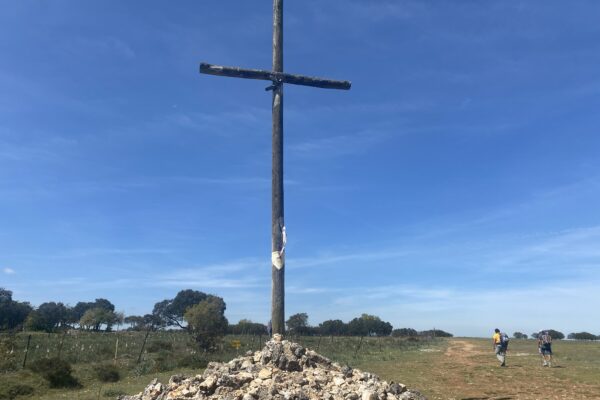
For days, the question has followed me like a shadow on this Camino journey: Should I continue to Santiago or listen to my body's increasing protests? Today, after a meaningful conversation with my husband, the decision crystallized with surprising clarity. I will end my pilgrimage tomorrow in Burgos. What strikes me most is not a sense of defeat, but an unexpected lightness—a gratitude for these thirteen days of "praying with my feet" rather than mourning the path I won't complete. There is grace in recognizing when one journey should end so another can begin.
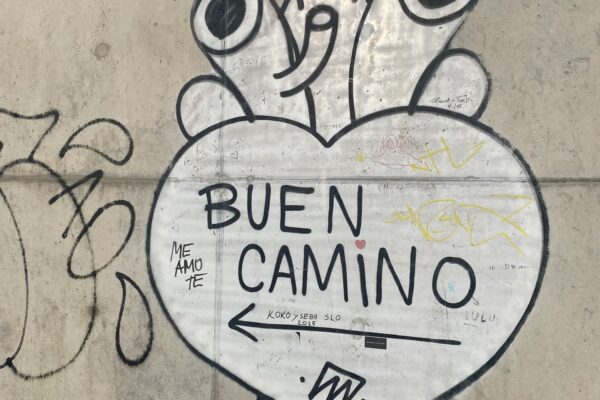
“The stone rejected by the builders became the cornerstone." I carried these words on my rosary beads, murmuring them in Polish with each step. Church towers on the horizon became both milestone and motivation as my body protested - an ensouled body and embodied soul on pilgrimage, wholly human with bloody socks and all. #CaminoDeSantiago #PilgrimsJourney
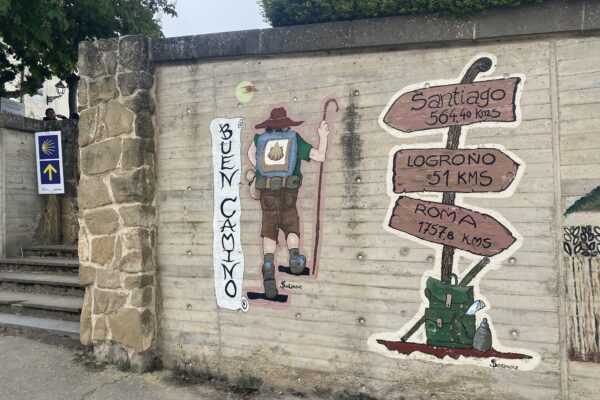
The weather forecast had prophesied rain all day, yet the sky granted mercy—patches of blue emerged, and sunlight transformed everything. How easily my spirit lifted with the light! I understood then why God is so often referred to as Light, the Sun illuminating our human path. In community and light, we find our way.
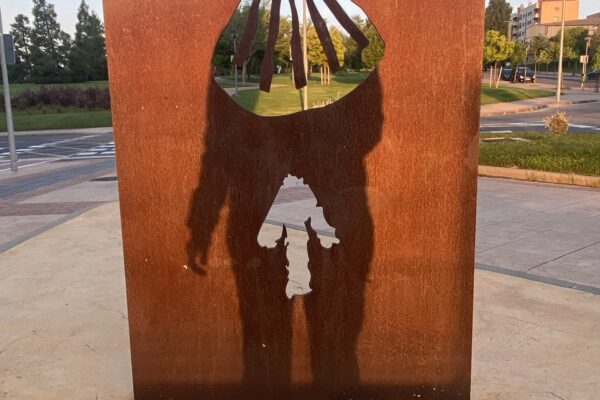
The Joy of Return to the Camino The morning sun rose with promise as my feet carried me forward along the Camino. After three nights of forced rest in Logroño, battling illness and fever, my body...

The drenched pillows speak of fever's night visit – my body, a furnace that consumes itself. Three nights in Logroño fighting whatever invaded my body in the midst of this sacred journey. But today, something shifts – the infection morphing into something more bearable. With allergy, I can walk. With allergy, I can continue. This feels like grace. Tomorrow, the Way continues – not just walking, but stopping when necessary. Not just strength, but vulnerability. Not just solitary determination, but community support.
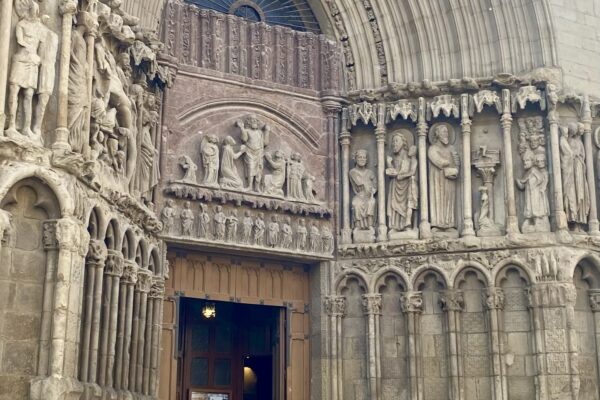
Maybe Saint James is showing me that stillness has its own wisdom. That the spiritual path continues even when the physical path cannot. I’m growing increasingly aware that this pilgrimage is grace, not merely the result of my strength or perseverance. When illness strips away the ability to walk, what remains? The invitation to give thanks.
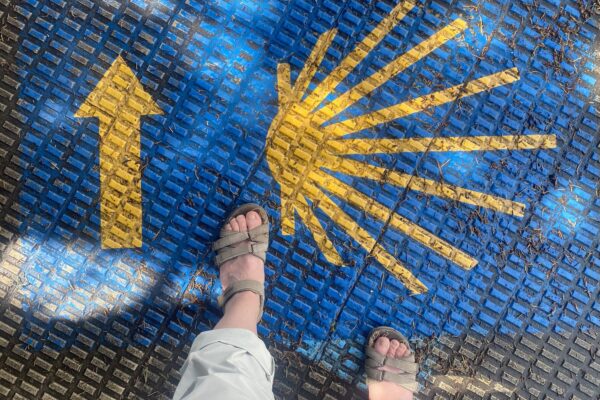
Discover the enigmatic St. James the Greater on the Camino de Santiago. Beyond being the "Son of Thunder" and first martyred apostle, was he perhaps the apostle who brought laughter to Jesus's inner circle? This personal reflection explores the meaning behind James's name as "heel-holder" and what made him special among the disciples. A fever-day revelation on a pilgrim's journey toward Compostela.
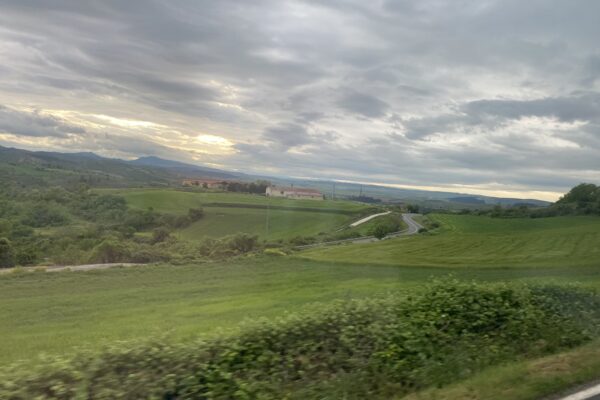
Los Arcos to Logroño - A day of listening to my body's wisdom Today marked my seventh day on the Camino de Santiago, a day unlike any other on this pilgrimage. Not for its beauty or challenge, but...
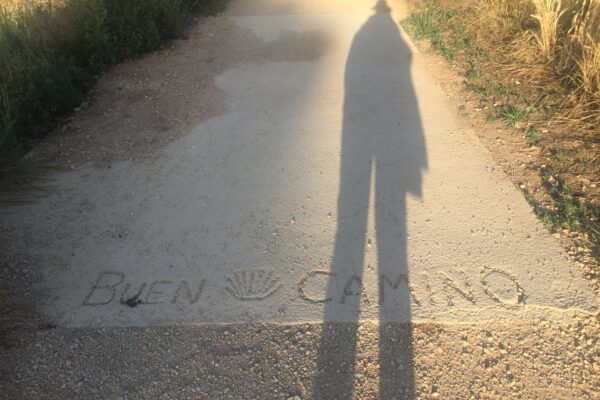
In walking the Camino de Santiago, I've discovered what it truly means to be a pilgrim. Beyond a physical journey, pilgrimage reveals our fundamental spiritual condition as "foreigners and nomads on earth." Unlike hikers who conquer terrain, pilgrims embrace vulnerability and providence, finding strength in surrender. This pilgrim identity—recognized by Vatican II as essential to the Church—transforms how we view possessions, challenges, relationships, and our purpose. Through the sacred dance between those who walk and those who welcome, we glimpse divine rhythms of giving and receiving. Ultimately, the pilgrim paradox reveals that by acknowledging ourselves as strangers here, we discover our true identity as children of God.
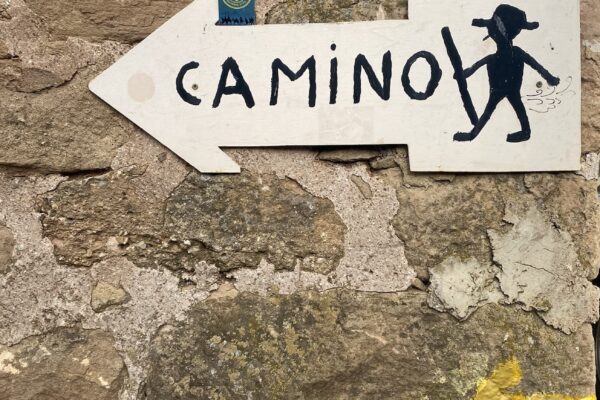
A Morning of Mindful Beginnings I woke naturally at 5:15, before my alarm, but embraced a new approach today: not rushing. I remembered Lizzie, a colleague with whom I worked in a nursing home in...
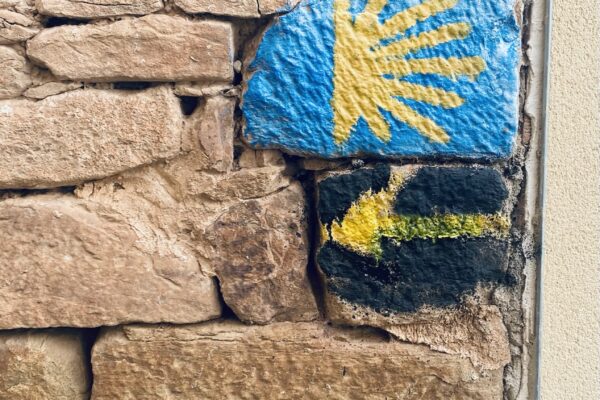
Early Morning Struggles and the Pilgrim's Call to Transcendence I woke before my alarm today, at quarter past five, my body somehow knowing the journey ahead demanded these early stolen moments....
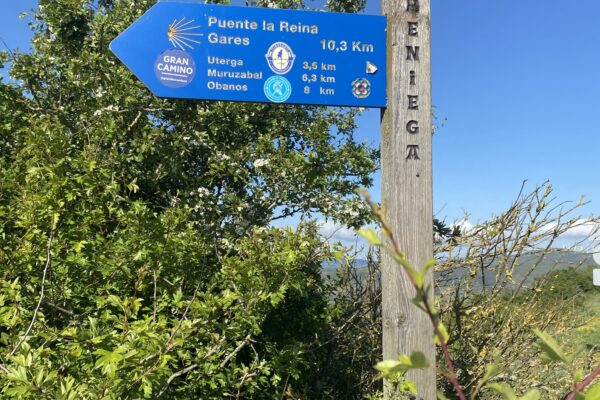
From Dawn's First Light to Detours: Pamplona to Zariquiegui The fourth day of my Camino journey led me from Pamplona to Puente la Reina, a day marked by detours, reflections, and an unexpected...
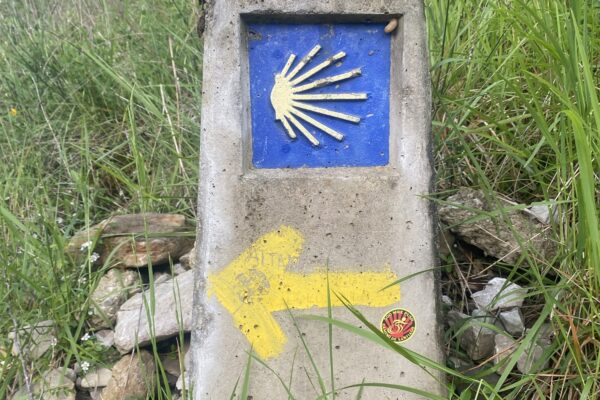
Restless Beginnings There's something deeply humbling about walking a path that millions have trodden before. As I make my way through the third day of my Camino journey, I'm reminded that some...
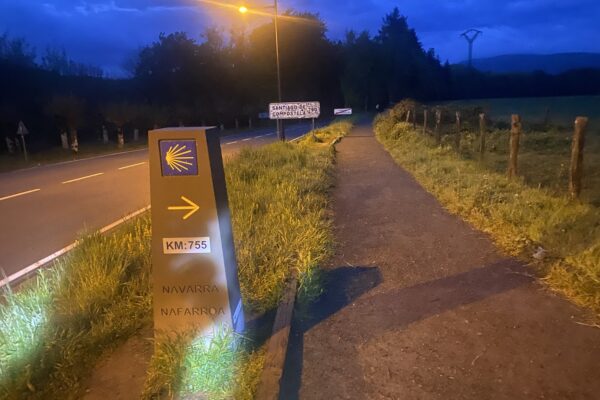
The darkness surprised me as I set out at 6:10 this morning, a stark contrast to my June Camino of 2019 when the early hours were already bathed in light. Thankful for the small lamp affixed to my...
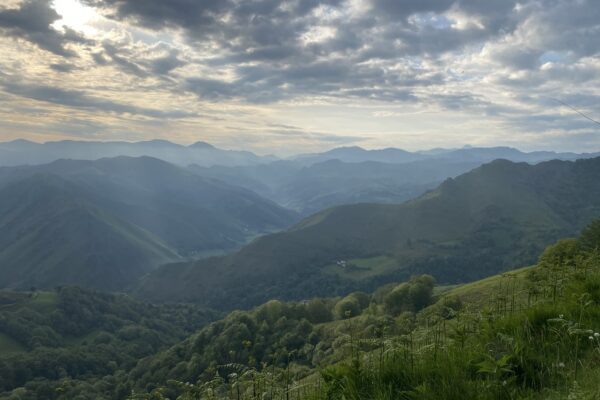
First Day on the Camino Frances: Crossing the Pyrenees The Scent of the Camino: Memories Reawakened What struck me in the morning was that familiar scent—the fragrance of aloe vera mingling with...
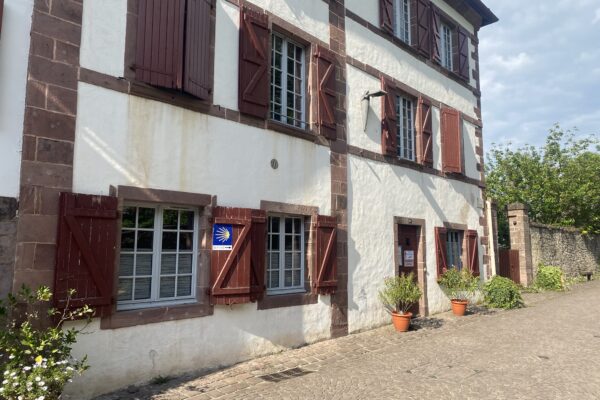
The Pilgrim Returns: Beginning the Camino Francés Again The Camino begins again, though in truth, it never really ended. Today I stand in Saint Jean Pied de Port, the traditional starting point of...
Walking Unbound They say the Camino begins the moment you close your door behind you, not when you reach Saint-Jean-Pied-du-Port. So my pilgrimage started with a flight from Olsztyn Mazury Airport...